US targets North Korean cryptocurrency operations through cyber disruption and asset seizures
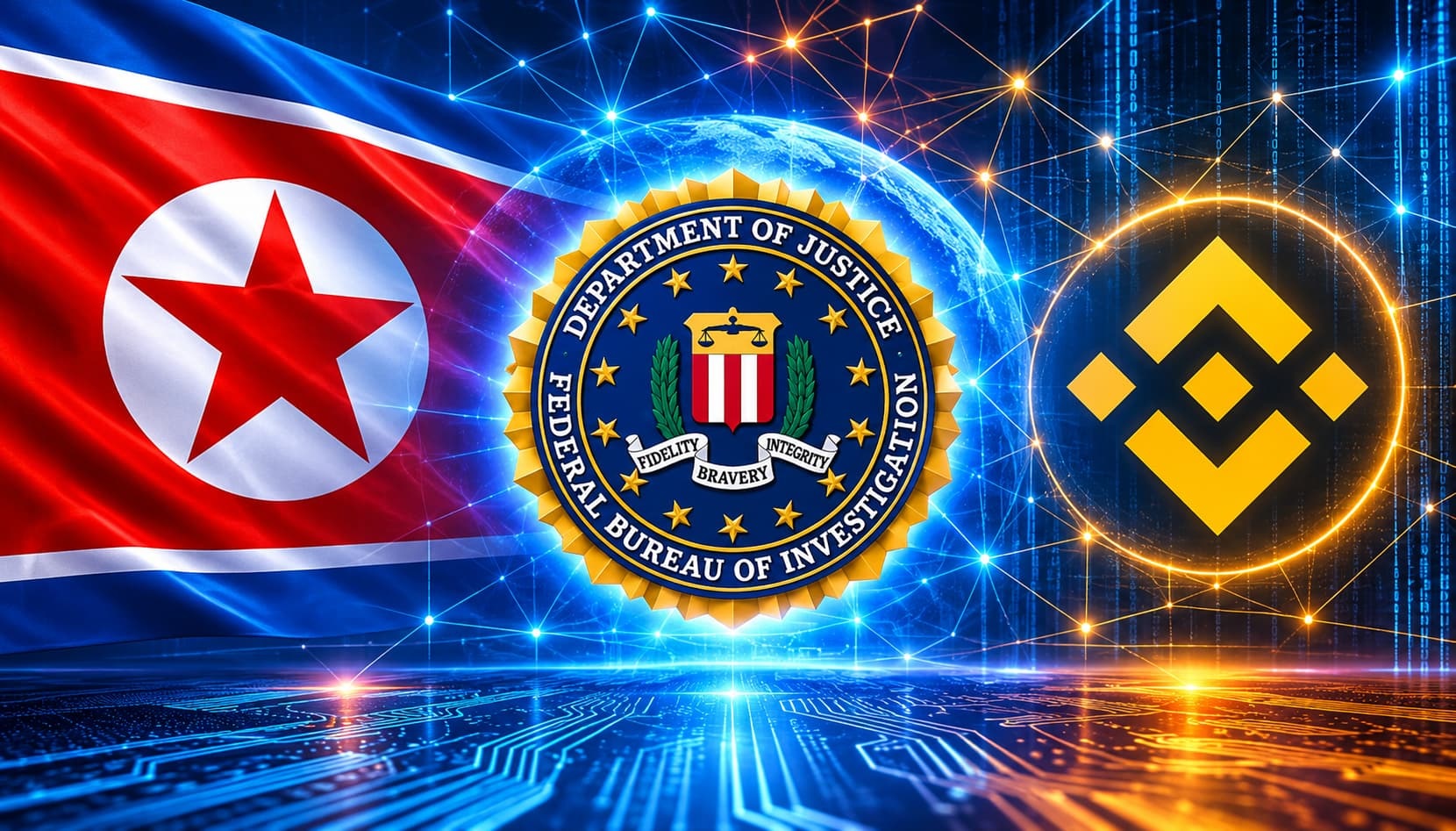
The US Department of Justice and the FBI announced on 12 November 2026 two separate actions targeting North Korean cryptocurrency theft operations. The US Department of Justice (DOJ) and the Federal Bureau of Investigation (FBI) announced on 12 November 2026 two separate actions targeting North Korean cryptocurrency theft operations . Although the two operations involve distinct threat actors and attack methods, Washington considers both part of North Korea’s broader efforts to generate revenue through cybercrime and finance its regime and prohibited weapons programmes. The first campaign disrupted the cloud infrastructure supporting FaceStealer , a sophisticated social-engineering campaign that allegedly generated more than $400 million in cryptocurrency theft over 18 months through fraudulent video conferences, and amassed over 900 secret webcam recordings for impersonation. The operation targeted infrastructure used by North Korean cyber actors tracked under several aliases, including BlueNoroff, Sapphire Sleet, Stardust Chollima, UNC1069 and APT38. The FBI named the campaign FaceStealer because of its reliance on secretly recorded webcam footage and impersonation through fraudulent video meetings . Attackers typically compromised communication accounts belonging to previous victims and used them to approach their professional and personal contacts. Targets were invited to meetings through apparently legitimate links, where recordings of familiar individuals or AI-generated deepfakes of prominent figures were used to establish trust. Attackers then simulated technical problems, such as audio failures, and instructed victims to follow links or execute commands presented as troubleshooting measures. These actions installed malware capable of compromising devices, stealing cryptocurrency and accessing communication accounts and contact lists. The FBI reported that the campaign had stolen more than $400 million over 18 months. Under a federal warrant, it seized the cloud infrastructure supporting the operation and more than 900 webcam recordings of victims. The investigation also identified increasing targeting of open-source software developers and maintainers, suggesting an effort to obtain access to software repositories and potentially facilitate supply-chain attacks. FBI Cyber Branch Operations Director Brett Leatherman said that the investigation involved cooperation with private-sector cybersecurity companies, including Arctic Wolf, JumpSec and Microsoft Threat Intelligence Center. The FBI also established a dedicated online resource for potential victims and published guidance on recognising and responding to the scheme. The second concerned the recovery of assets stolen from cryptocurrency exchange Binance in a separate operation attributed to the North Korean group TraderTraitor. US authorities reported that more than $2.7 billion of the stolen cryptocurrency had been frozen through cooperation with private-sector partners, with the DOJ obtaining court authorisation to seize or restrain more than $1.2 billion. US authorities pursue recovery of stolen cryptocurrency. The DOJ announced progress in efforts to recover digital assets stolen from Binance in an attack attributed to TraderTraitor, a North Korean military-linked group. According to the department, the theft occurred on or around 29 October 2026 and involved more than $6 billion in virtual assets. Investigators are continuing to trace the remaining assets, which attackers have attempted to launder through cryptocurrency bridges, mixers and exchanges. The FBI, Secret Service and Internal Revenue Service are coordinating efforts to identify associated wallets and prevent further transfers. The proceedings will also need to address the legal process for forfeiture and the eventual disposition of the assets. Why does it matter? These two operations illustrate different dimensions of the North Korean cyber threat: the exploitation of trust and digital identities to obtain cryptocurrency , and the subsequent movement and laundering of stolen assets across the global financial ecosystem. The FaceStealer operation highlights the combination of traditional social engineering with increasingly sophisticated impersonation techniques. However, the FBI’s findings distinguish between the use of genuine recordings of previously compromised individuals and AI-generated deepfakes, which have also been employed to impersonate influential figures in the cryptocurrency and Web3 sectors. The campaign’s effectiveness rests on exploiting established relationships and the credibility of familiar communication channels rather than relying exclusively on synthetic media. It demonstrates how compromised communications, recorded video and AI-generated impersonation can make social engineering more convincing, while its targeting of open-source developers raises additional concerns about software supply-chain security. The Binance case, meanwhile, shows the importance of rapid cooperation between law enforcement, cryptocurrency platforms and private-sector investigators in tracing and freezing illicit digital assets. Together, the actions underline that countering state-linked cryptocurrency theft requires more than technical disruption: it also demands international cooperation, financial intelligence, effective asset-recovery mechanisms and stronger security across digital identities and software ecosystems.