Royal Enfield Is Selling Motorcycles Faster Than It Can Build Them
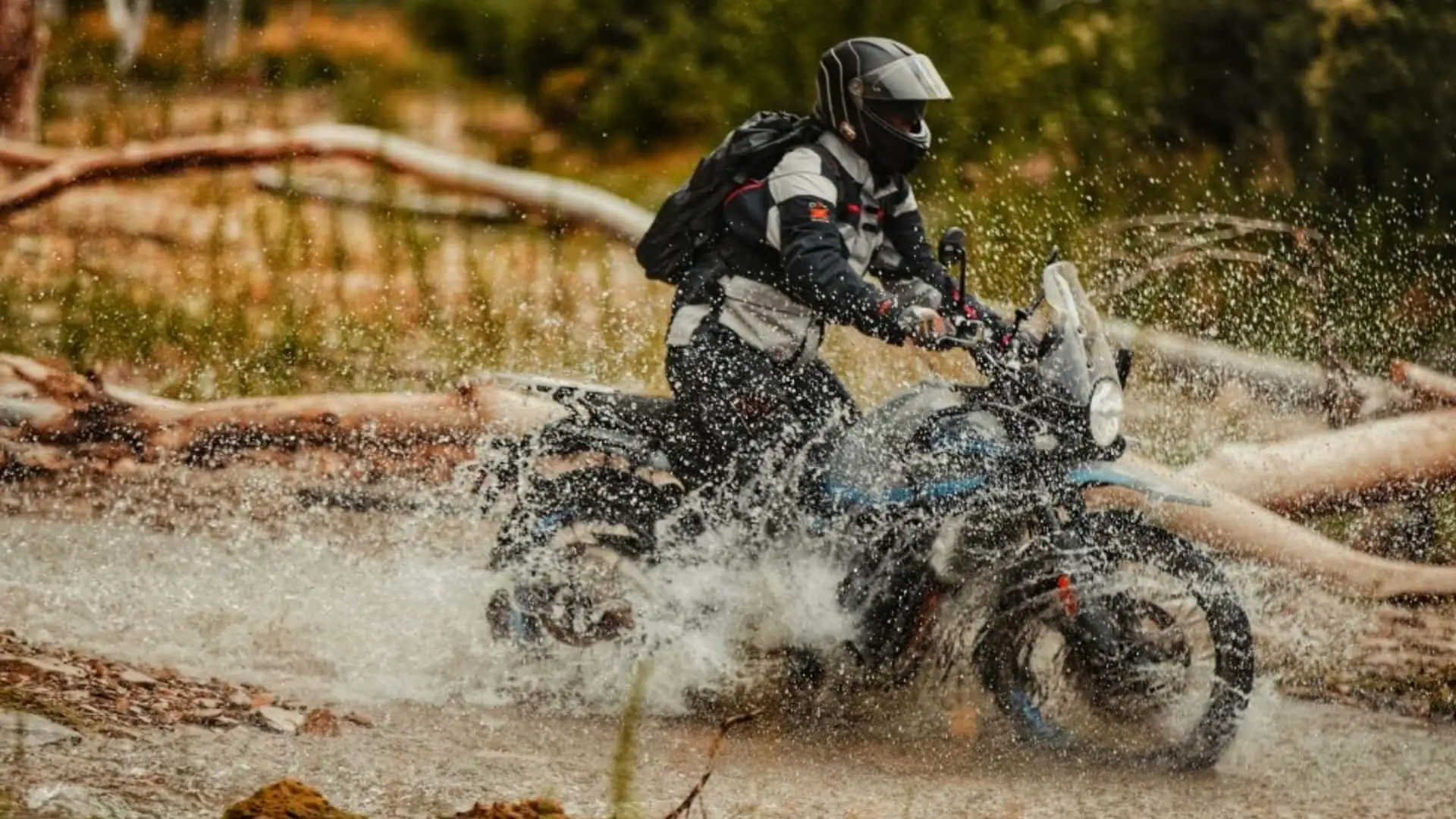
Royal Enfield has a rather unusual problem on its hands. People keep buying its motorcycles, and apparently, its factories can't build them fast enough. That's a pretty good problem to have, especially in an industry where manufacturers are constantly looking for ways to convince people to buy increasingly expensive machines packed with increasingly complicated technology. But Royal Enfield's latest financial results suggest that keeping things relatively simple might be a pretty lucrative business strategy. And the numbers are genuinely ridiculous. According to parent company Eicher Motors' latest disclosures , Royal Enfield sold 842,538 motorcycles between April and October 2026, an 18% increase over the same period last year. That's an additional 125,684 motorcycles in just seven months, or roughly 18,000 extra bikes every month. Its second quarter alone saw a record 376,722 motorcycles sold, up 15% year-on-year. Clearly, somebody forgot to tell Royal Enfield that motorcycling is supposed to be an expensive, increasingly niche hobby. Here's where things get particularly interesting. Of those 842,538 motorcycles, a whopping 751,128 came from Royal Enfield's up-to-350cc category, which includes popular models like the Hunter 350 and Classic 350 . That's roughly 89% of total sales, with the category growing 21% year-on-year. Meanwhile, motorcycles above 350cc accounted for just 91,410 units, actually declining 5% compared to the previous year. So much for bigger engines automatically translating to bigger business. That's not to say motorcycles like the Himalayan 450, Interceptor 650 , and Continental GT 650 aren't important. They help Royal Enfield build credibility in international markets, expand its customer base, and compete in segments where buyers are willing to spend more. But the company's commercial backbone remains its smaller motorcycles. These are the machines keeping the factories busy and the accountants entertained. The geographical breakdown tells a similar story. Domestic sales reached 763,548 motorcycles during those seven months, up 20%, while exports totaled 78,990 units, barely changing from the previous year's 78,528. In other words, roughly nine out of every ten Royal Enfields sold during this period went to customers in India. The company's international ambitions are certainly real, but its home market remains the engine driving this extraordinary growth. Selling more motorcycles is great. Actually getting those motorcycles into customers' hands is another matter entirely. During Eicher Motors' November 13 earnings call , Royal Enfield CEO B. Govindarajan revealed that bookings had increased approximately 20% to 21% year-on-year, while production was growing around 15%. That mismatch has left dealerships with just seven to eight days of inventory, including motorcycles still in transit, compared with the company's usual three to four weeks. Some models reportedly have pending bookings equivalent to approximately two months of sales. Royal Enfield hasn't disclosed its complete order backlog, but the situation has become serious enough that the company increased direct shipments to dealers during India's festive season. Management also says customer inquiries and bookings have remained strong after the festivities. That's encouraging, although bookings aren't the same as completed retail sales, and the company still needs to turn that demand into delivered motorcycles. There's also an interesting wrinkle in the data. During the earnings call, an analyst questioned a roughly 55,000-unit discrepancy between reported domestic wholesale volumes and government retail registration figures over seven months. Management said its own figures didn't show the same gap and agreed to investigate. It doesn't necessarily undermine the company's growth story, but it's an important reminder that factory shipments, dealer inventories, and actual customer registrations aren't interchangeable numbers. Up, Up, And Away Photo by: Royal Enfield Royal Enfield isn't exactly sitting around waiting for things to sort themselves out. Its current annual manufacturing capacity stands at approximately 1.65 million motorcycles, following the first phase of its Cheyyar facility expansion. The company wants to increase that to 1.8 million by the fourth quarter of FY2027, before reaching 2 million by the second quarter of FY2028. That's a roughly 21% increase in annual capacity from where it stands today. What do you think? And that's only the near-term plan. A s eparate manufacturing facility in Andhra Pradesh is expected to add another 450,000 motorcycles of annual capacity when fully operational, potentially bringing the company's total to 2.45 million around FY2030. Of course, manufacturing capacity isn't the same as actual production, and building additional factory space doesn't guarantee that demand will continue growing indefinitely. But these investments suggest Royal Enfield is preparing for a substantially larger business. Perhaps the biggest takeaway is that Royal Enfield's growth isn't primarily coming from chasing the latest performance trends or trying to outgun premium European manufacturers. It's coming from selling hundreds of thousands of cheap motorcycles to people who actually want to ride them. The challenge now is keeping production, inventory, and customer demand in balance. Because apparently, even selling nearly a million motorcycles in seven months isn't enough when your customers keep asking for more. Source: Eicher Motors We want your opinion! What would you like to see on Rideapart.com? Take our 3 minute survey. - The RideApart Team