Prediction: Nvidia Will Crush Its Third-Quarter Operating Results Today, Nov. 17, but Its Stock Will Still Fall Due to a Lack of Identity
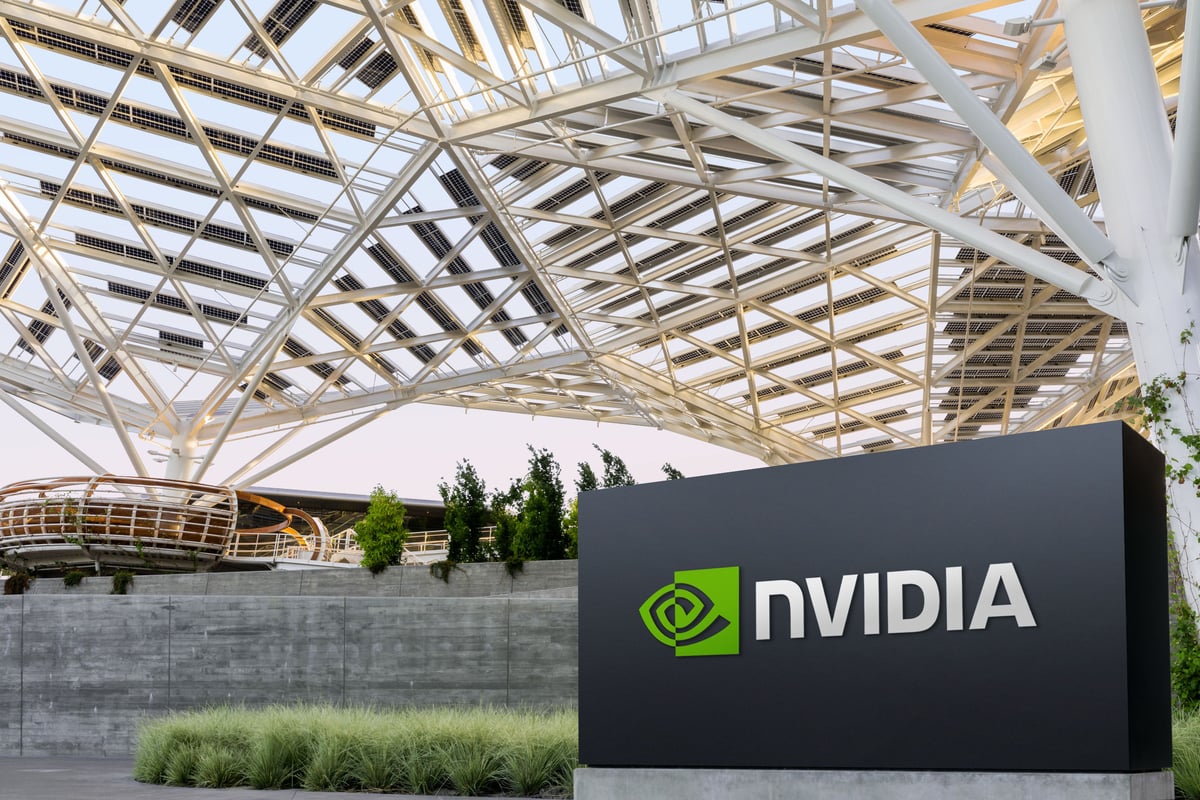
For weeks, Wall Street analysts and everyday investors have had Nov. 17 circled on their calendars. After the closing bell today, the face of the artificial intelligence (AI) infrastructure build-out, Nvidia ( NVDA -4.12% ) , will lift the hood on its fiscal third-quarter operating results (ending Oct. 25). Arguably, no company matters more to the AI revolution than Nvidia. It holds a virtual monopoly on graphics processing units (GPUs) used in AI-accelerated data centers. When Nvidia reports its operating results in mere hours, we'll see firsthand how its superior technology translates into exceptional pricing power and an otherworldly growth rate. Image source: Nvidia. But this isn't the only market-moving catalyst of Nvidia's earnings call. The resignation of now-former CEO Jensen Huang is set to take center stage, with a near-term lack of identity likely to weigh on Nvidia's shares . Statistically, it should be business as usual for Nvidia Shortly after the closing bell, Wall Street analysts expect Nvidia to report $108.8 billion in sales, up nearly 91% from the prior-year period, and earnings per share (EPS) of $2.47, a 90% year-over-year improvement. Both figures should be easily cleared by the infrastructure backbone of AI data centers. Nvidia has surpassed analysts' consensus quarterly EPS estimate in 11 of the last 12 quarters , with an average beat over the last four quarters of better than $0.09 per share (about $2.2 billion above estimates). It's a somewhat similar story with sales. NVDA Nvidia $156.14 -$6.71 (-4.12%) NASDAQ · As of 4:00 PM ET 11/16/26 In addition to Nvidia locking in several major GPU deals, Taiwan Semiconductor Manufacturing ( TSM -6.34% ) simply can't expand its chip-on-wafer-on-substrate capacity fast enough to meet the overwhelming demand for Nvidia's GPUs. This combination of insatiable enterprise demand and ongoing supply shortages should enable Nvidia to maintain a gross margin of between 74% and 75%. Statistically, the company's fiscal third-quarter operating results and its guidance for the remainder of its fiscal year should be business as usual. Image source: Getty Images. Jensen Huang's resignation has stripped Nvidia of its identity But let's be honest with ourselves: the focus likely shifts away from Nvidia's operating performance during the company's conference call with analysts to what the future looks like post-Jensen Huang. As a refresher, Huang resigned on Nov. 12 after admitting to an extramarital affair with an alleged Chinese spy, and after allegations of another affair emerged with a co-worker. The former affair has opened federal investigations concerning national security and could cast a gray cloud over Nvidia's dealings with China for the foreseeable future. However, the bigger issue is that Huang's unexpected departure from the company he built into a $5 trillion titan has left it without an identity. There's no clear replacement for Huang. Replacing Jensen as CEO of Nvidia could backfire on the ENTIRE AI boom. Why? Because of this chart. Jensen has been one of the biggest architects of circular financing. This has been propping up those valuations and nearly all of these deals were negotiated by him. Would a successor be able to engineer similar structures? And does uncertainty with Nvidia's direction call into question this broader gambit? Tenuous times. — Nic (@puckrin) November 12, 2026 Jensen Huang was the face of the AI infrastructure build-out and the architect of countless mega-dollar, circular financing deals . Without him at the helm, it's unknown what'll happen with these deals and whether future collaborations will be negotiated. At the risk of sounding cliché, Huang's departure has left the company with far more questions than answers, which is a bad spot to be in amid a historically pricey , AI-driven stock market. It's these uncertainties that'll likely weigh on Nvidia's share price. Where to invest $1,000 right now When our analyst team has a stock tip, it can pay to listen. After all, Stock Advisor's total average return is 823%* — a market-crushing outperformance compared to 209% for the S&P 500. They just revealed what they believe are the 10 best stocks for investors to buy right now, available when you join Stock Advisor. See the stocks › *Stock Advisor returns as of November 17, 2026.