One Health Frameworks Propose Integrated Surveillance for Hantavirus Prevention
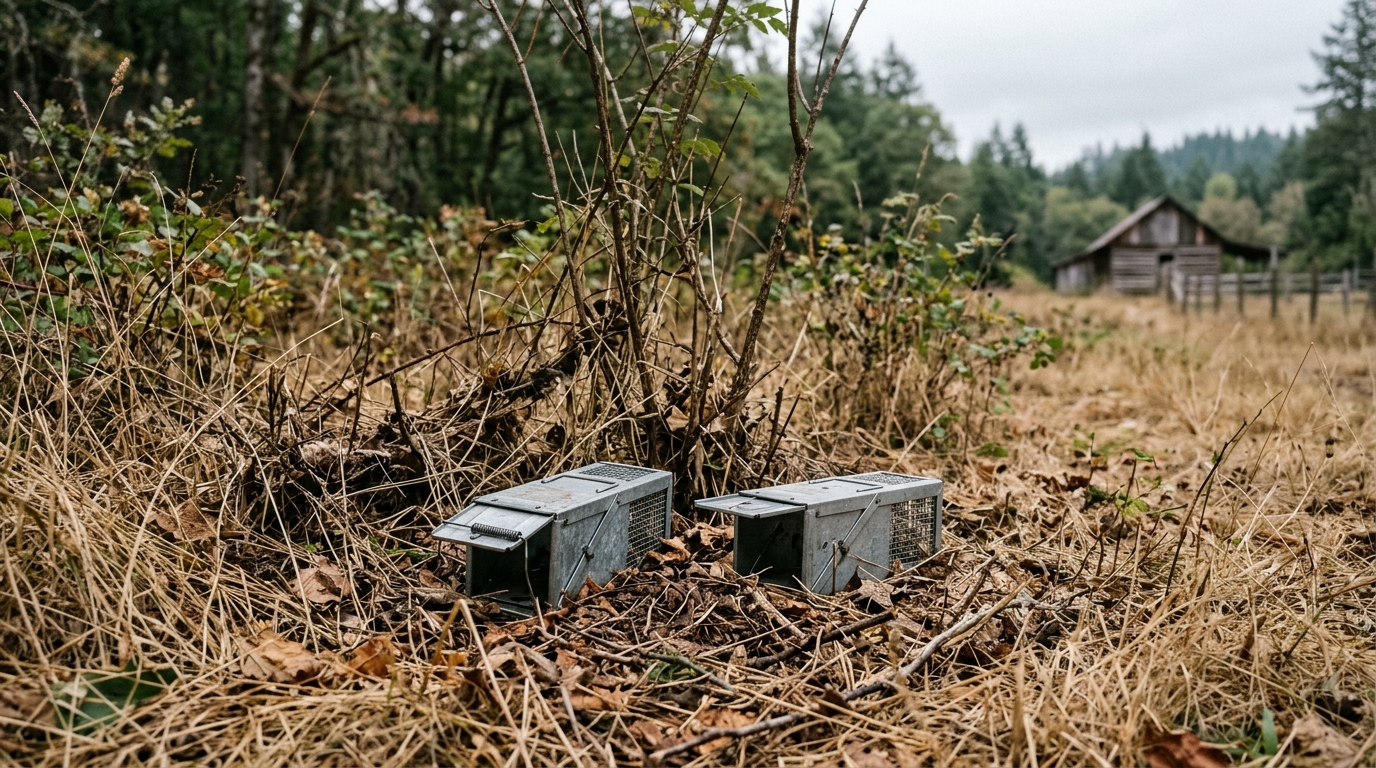
Emerging zoonotic diseases like hantavirus infections require sophisticated, integrated surveillance systems that link ecological, environmental, and clinical data to effectively mitigate human health risks. New research emphasizes that relying solely on human case reporting often results in delayed public health responses because clinical recognition frequently occurs only after reservoir-host populations have already shifted and human exposure events have taken place. By adopting a comprehensive One Health framework, public health authorities can move beyond general multisector collaboration toward evidence-informed surveillance strategies that connect rodent monitoring, environmental variability, and clinical signals to setting-specific prevention measures. This approach is particularly critical given that hantavirus diseases, which include haemorrhagic fever with renal syndrome in Eurasia and hantavirus cardiopulmonary syndrome in the Americas, are inherently tied to complex interactions between reservoir-host ecology and human activity. Hantaviruses are primarily maintained in rodent reservoirs, with human infection often occurring accidentally through contact with infectious rodent excreta. The geographic distribution and incidence of these diseases are heavily influenced by host-dependent ecological factors, including rodent population density, infection prevalence within these populations, habitat disturbance, and seasonal movement patterns. For instance, increased rainfall can support rodent reproduction and survival through enhanced vegetation growth and food availability, while environmental stressors such as drought or extreme cold may drive rodents into human dwellings, storage areas, or workplaces. These ecological dynamics illustrate that climate is not a direct cause of hantavirus risk in isolation but acts as a significant modulator that influences reservoir-host behavior and exposure pathways, ultimately shaping the risk of spillover into human populations. China’s extensive experience with haemorrhagic fever with renal syndrome provides a robust example of how virus–host ecology and human behavior jointly structure disease seasonality. In many endemic regions, the disease follows a bimodal pattern with significant peaks often coinciding with agricultural activities. For example, the autumn harvest period in provinces like Shandong often precedes a rapid rise in human cases, suggesting that labor-intensive activities such as crop harvesting, grain handling, or living in temporary, rodent-infested settings create high-risk opportunities for virus transmission. Furthermore, the distinct seasonal peaks, such as the autumn–winter peak associated with Hantaan virus and the spring peak often linked to Seoul virus, highlight the necessity of understanding specific virus–host systems when developing regional surveillance indicators and targeted prevention programs. The role of land use in facilitating human exposure is similarly diverse and context-dependent. Agricultural expansion, the presence of forest edges, and poorly maintained rural housing are frequently associated with increased opportunities for contact with contaminated environments. However, because associations with forest cover, grasslands, or built-up areas vary significantly by region, there is no universal risk factor for hantavirus infection. Instead, land use modifies exposure risk through specific, local combinations of reservoir species, farming systems, and human behaviors. This heterogeneity necessitates that One Health surveillance be built around predefined risk questions and response thresholds specific to local settings rather than relying solely on generic indicators that may not accurately reflect the actual risk environment. Clinical diagnosis of hantavirus diseases remains a substantial surveillance challenge, as early symptoms are often non-specific and overlap with a range of febrile illnesses, including dengue, influenza-like illness, leptospirosis, and COVID-19. In rural or travel-related settings where exposure events may be geographically or temporally distant from the eventual clinical presentation, the ability to reconstruct an accurate exposure history—such as recent rural residence, cabin stays, or involvement in cleanup operations of infested spaces—is essential. Effective clinical surveillance requires that practitioners recognize these compatible syndromes early and link them with ecological and exposure data, providing an actionable signal that precedes laboratory confirmation. Such integration allows for earlier, setting-specific interventions rather than relying on delayed documentation of cases. Recent progress in vaccine development and passive immunotherapy has provided promising avenues for hantavirus control, though these medical advances are not replacements for upstream ecological prevention. Early clinical studies of DNA vaccines against Hantaan, Puumala, and Andes viruses have demonstrated acceptable safety profiles and encouraging neutralizing antibody responses. Similarly, preclinical and clinical evaluations of antibody-based therapeutic preparations suggest that passive immunotherapy could eventually play a role in managing severe cases. Despite these promising developments, the population-level utility of such interventions depends heavily on their integration within a broader framework of ecological surveillance, exposure assessment, and timely public health response, especially as practical questions regarding dosing, durability, and incentives for rare disease development remain. The 2026 cruise-associated Andes virus cluster further underscores the complexity of managing hantavirus risks in an interconnected world. While person-to-person transmission of Andes virus remains an exceptional phenomenon typically limited to close or prolonged contact, the cruise event demonstrated how local ecological exposure could rapidly evolve into a multi-jurisdictional public health issue. Preparedness for such events requires a combination of traditional rodent-exposure prevention and modern requirements for early recognition, appropriate infection-control measures, and effective international contact tracing. This cluster highlights the need for surveillance systems that are adaptable to both established rural patterns and emerging, non-traditional exposure pathways associated with global travel and modern lifestyle factors. To implement effective One Health surveillance in resource-limited settings, authorities should move away from the unsustainable goal of monitoring every possible indicator. Instead, a more feasible strategy involves developing a minimum surveillance package tailored to high-risk areas. This package might combine routine reporting of compatible human syndromes, simple rodent-density metrics, seasonal agricultural calendars, and rainfall or flooding alerts. By establishing sentinel surveillance sites in high-risk counties, farms, or travel destinations, policymakers can gather actionable data without the prohibitive cost of continuous, broad-scale surveillance. Coordination should be facilitated through joint risk assessment meetings involving experts from public health, veterinary, agricultural, environmental, and travel sectors to ensure that warning signals are linked directly to predefined prevention actions. The ultimate goal for future hantavirus control is to shift from a reactive stance—where public health officials respond only after severe human illness is detected—to a proactive stance characterized by the early interpretation of ecological and human exposure signals. By linking these disparate data streams, authorities can make locally relevant decisions about when to issue seasonal risk warnings, where to target environmental sanitation, and whom to monitor most closely. Integrated surveillance linking rodent, environmental, and clinical data may help prevent spillover events from escalating into severe disease. Specific historical events highlight how distinct reservoir ecologies and human infrastructure interact across different continents. In the Four Corners region of the southwestern United States, El Niño-associated rainfall drove ecological conditions that expanded deer mouse populations, triggering subsequent surges in hantavirus cardiopulmonary syndrome cases. Decades later, the 2012 outbreak at Yosemite National Park illustrated how built environments transform wild reservoir dynamics into human risk, as overnight visitors contracted infections inside insulated tent cabins. Across southern South America, the rodent species Oligoryzomys longicaudatus serves as the principal reservoir host for Andes virus, which uniquely retains the capacity for person-to-person transmission during close, prolonged contact. Similarly, long-term ecological investigations in Europe demonstrate that cyclical population fluctuations among bank voles, heavily shaped by seasonal forest ecology and food availability, dictate periodic Puumala virus epidemics. Long-term epidemiological records from China offer detailed empirical insight into population-level transmission dynamics and vulnerable labor groups. Between 2006 and 2012, national surveillance registered 77,558 haemorrhagic fever with renal syndrome cases alongside 866 associated deaths, with infections concentrated in a small group of provinces during spring and autumn–winter windows. Farmers formed the single largest affected occupational category, though exposure hazards also consistently threaten forestry workers, construction laborers, facility cleaners, and military personnel who disturb infectious rodent excreta or aerosolized dust. Subsequent surveillance spanning 2014 through 2023 demonstrated persistent virological complexity in China, identifying Hantaan virus, Seoul virus, and Puumala virus among human cases. Granular spatial analyses, such as records from Zibo City reporting dual infection peaks during March to May and October to December, further confirm that seasonal risks correspond to distinct local virus–host dynamics. To translate One Health concepts into operational practice, surveillance protocols can incorporate standardized environmental and ecological indicators rather than relying solely on post-spillover medical reports. Feasible monitoring packages track monthly rodent capture densities, the proportion of captured rodents testing positive for hantaviruses, local rainfall deviations from historical baselines, and community alerts regarding pest infestations. Within clinical environments, frontline diagnostic evaluation benefits when medical providers actively evaluate compatible clinical manifestations, such as acute kidney injury, severe thrombocytopenia, or cardiopulmonary compromise, alongside detailed personal exposure histories that capture rural dwelling, grain handling, or cabin stays. On the ground, direct exposure reduction remains anchored in basic sanitation, including the physical rodent-proofing of agricultural and domestic buildings, secure grain storage, wet disinfection before cleaning enclosed facilities, and the careful avoidance of activities that stir up contaminated dust. Biomedical research continues to explore targeted interventions, although substantial regulatory and clinical gaps remain across syndromes. While long-established inactivated vaccines protect against Hantaan and Seoul viruses in China and Korea, regulatory agencies like the United States Food and Drug Administration and the European Medicines Agency have not approved any vaccine for American hantaviruses. Antiviral options also stay constrained, as ribavirin demonstrates unproven efficacy once cardiopulmonary syndrome develops. In response, recent investigations have advanced needle-free DNA vaccine platforms, documented reduced mortality with convalescent immune plasma in Chilean trials, and structurally characterized neutralizing monoclonal antibodies against Sin Nombre virus. Subject of Research: Integrated One Health surveillance strategies for hantavirus emergence and prevention. Article Title: Hantavirus emergence through a One Health lens: ecological dynamics, human exposure and integrated surveillance Article References: Wang, X. (2026). Hantavirus emergence through a One Health lens: ecological dynamics, human exposure and integrated surveillance. One Health Advances, 4 (1), Article 36. https://doi.org/10.1186/s44280-026-00155-w Image Credits: AI Generated DOI: 10.1186/s44280-026-00155-w Keywords: Hantavirus, One Health, Zoonotic diseases, Rodent-borne viruses, Disease surveillance, Ecological dynamics, Public health preparedness, Haemorrhagic fever, Cardiopulmonary syndrome, Vector ecology, Environmental risk assessment, Disease transmission, Vaccine development, Agricultural labor, Climate variability