New York Mayor Mamdani disbands divisive NYPD unit
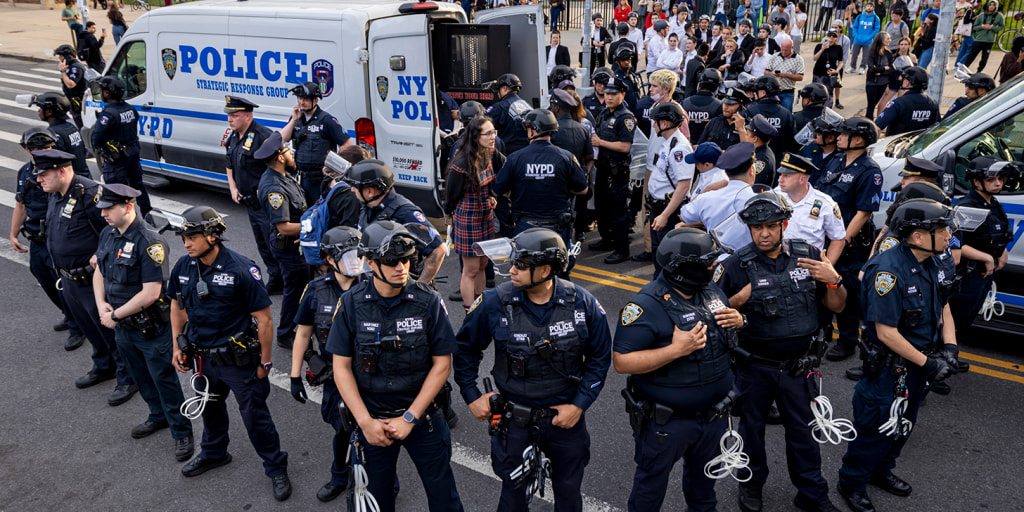
Mayor Zohran Mamdani and NYPD Commissioner Jessica Tisch have agreed to disband the police department’s Strategic Response Group , a specialized unit critics say is too militaristic when it comes to handling mass protests, but one others argue is essential to counter-terrorism operations. Mamdani has repeatedly said he doesn’t believe terrorism duties and responses to First Amendment-related incidents should fall under one unit, and he made disbanding the unit a key pledge of his 2025 mayoral campaign. Under the plan rolled out Monday, those two priorities — counter-terror and protest-related duties — will be decoupled. Counter-terror duties move under the NYPD’s Intelligence and Counterterrorism Bureau. Starting in the new year, the city will restructure its response to protests through the creation of a civilian-led Community Dialogue and De-escalation Division (CDDD). That group, created within the Mayor’s Office of Community Safety, will not have weapons or arrest powers, Mamdani said in Monday’s announcement. “New Yorkers exercising their constitutional right to protest should not be met with the same police response as a terrorism threat. We are establishing a new, civilian-led approach that prioritizes dialogue, engagement and de-escalation,” Mamdani said in a statement. The mayor said it was part of “building a new approach to public safety.” To support that civilian-led group, the NYPD is creating a First Amendment Support Team (FAST) made of 30 officers trained in communication and de-escalation. FAST will lead those efforts until the new civilian-led team is established. The reforms put forward Monday by the mayor and police commissioner also address restrictions on police tactics during First Amendment activities. Mamdani says officers will not be allowed to use pepper spray as a crowd-management tool and long-range acoustic devices must stay below 90 decibels. “Today, we announced a new structure designed to consolidate our counterterrorism capabilities, provide greater support to our patrol officers and ensure we continue to respond to protests consistent with public safety and the First Amendment,” Tisch said. “I would never support changes that diminish the NYPD’s ability to protect New Yorkers, or that put our officers in a position where they lack the resources necessary to confront a serious threat. These changes will make us a stronger, more effective department,” the statement from the commissioner read. According to the NYPD, the SRG “responds to citywide mobilizations, civil disorders, and major events with highly trained personnel and specialized equipment. They are also deployed to areas requiring an increased police presence due to increased crime or other conditions.” The SRG has been a polarizing entity within the city’s police force, facing accusations of being too violent and too militaristic, especially when it comes to crowd control during protests. In 2020, they were accused of unlawfully detaining over 100 demonstrators during the George Floyd protests. Three years later, a legal settlement was announced in 2023, in part as reparations tied to these detentions. That settlement now governs how and when the NYPD deploys the SRG, though Mamdani has given Tisch significant latitude when it comes to those operations. Also that year, the City Council’s Public Safety Committee held a hearing about the Strategic Response Group. Unit representatives didn’t attend “due to ongoing litigation,” the NYPD said at the time. It submitted written testimony instead that said, in part, that the “SRG is comprised of highly trained, well-vetted and professional police officers.” “These officers are called upon in some of the most stressful, dangerous and chaotic situations, such as the protests and riots that occurred during the summer of 2020,” that written testimony statement said. The approximately 600 officers who were part of the SRG will reassigned when the group is dissolved, which according to the mayor’s order, will happen by mid-February. The move has already triggered backlash from police unions. “Why change it? It doesn’t need to be changed. It’s working. It’s working,” said Detectives Endowment Association President Scott Munro. But advocates say the mayor made the right move. “Good news for New Yorkers. Good news for public safety. Good news for the first amendment,” said Donna Lieberman, of the New York Civil Liberties Union. “The numbers of civilian, of CCRB complaints against members of this unit were off the wall compared to the rest of the entire police department.” When asked about the issue on Friday, Mamdani said there would “absolutely” be no reduction in police response time to mass incidents. “I have been very clear the focus of the conversations since being in office has been how to do this in a way that keeps New Yorkers safe and protects their First Amendment rights,” the mayor added.