MS Dhoni returns to CSK as team mentor after IPL retirement
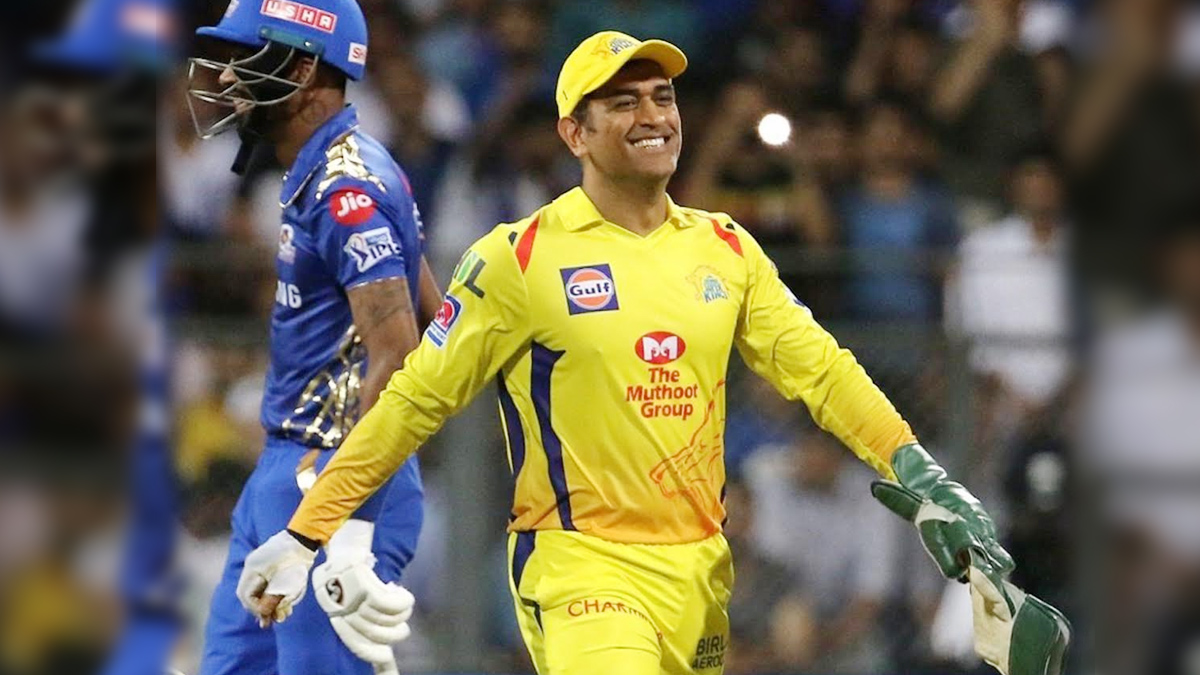
MUMBAI: The captain may have walked off the field, but the Thala story is far from over. MS Dhoni is set to continue his association with Chennai Super Kings as the franchise’s Team Mentor following his retirement from the IPL, marking a new chapter in one of the league’s most enduring player-franchise partnerships. The five-time IPL-winning captain will move from leading the yellow brigade on the field to guiding its next generation from the sidelines. His appointment keeps one of the most recognisable figures in CSK’s history closely involved with the franchise, even as his playing career comes to an end. For Chennai, Dhoni’s contribution has never been limited to the runs he scored or the trophies he lifted. His calm approach under pressure, instinctive reading of matches and ability to bring the best out of players helped shape the team’s identity over the years. The mentor role offers an opportunity to pass on that experience to a new generation of Super Kings. Dhoni’s association with CSK is woven into the story of the IPL itself. Since the franchise’s early years, he has been its defining figure, leading the team through triumphs, setbacks and remarkable comebacks. Under his captaincy, Chennai won five IPL titles, establishing itself as one of the competition’s most successful franchises. The team’s consistency across seasons, its ability to handle high-pressure situations and its strong dressing-room culture became closely associated with Dhoni’s leadership. His captaincy was built on an understated style. Rather than relying on theatrics, Dhoni became known for his composure, sharp tactical decisions and trust in players, often backing individuals through difficult phases. His ability to remain unflustered in tense finishes earned him the nickname ‘Captain Cool’, while CSK supporters embraced him as ‘Thala’. That relationship extended beyond results. The yellow jersey, the packed Chepauk stands and the familiar roar of ‘Dhoni, Dhoni’ became defining features of the franchise’s identity. Few players in the tournament have enjoyed such a lasting connection with a team’s supporters. Dhoni’s legacy at Chennai is also reflected in the players he helped develop and the culture he helped establish. His leadership brought together experienced international stars and emerging Indian talent, creating a team that repeatedly remained competitive across different IPL cycles. His wicketkeeping, finishing ability and tactical awareness made him central to CSK’s success, but his influence often extended well beyond his own performances. His willingness to trust younger players and make decisions under pressure became hallmarks of the franchise’s approach. The move into a mentoring position gives CSK a way to retain that institutional knowledge as it looks to build its future. For younger players, having access to a five-time title-winning captain’s experience could prove valuable in navigating the demands of the tournament, from handling pressure to understanding match situations. For Dhoni, meanwhile, the role marks a transition rather than a farewell. His playing days with the franchise may be behind him, but his association with the yellow brigade continues. The man who made a habit of finishing matches will now have a different assignment: helping Chennai Super Kings build the next generation of match-winners. The gloves may be off, but Dhoni’s influence on the yellow camp is far from over.