India fuels SAF hub ambitions, turning used cooking oil, ethanol and farm residue into jet fuel
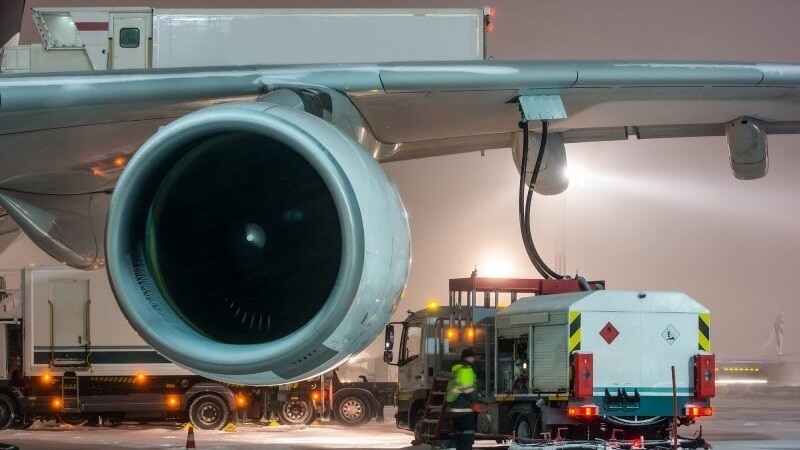
"The draft SAF policy has been shared with the petroleum ministry for its comments. Very soon, the policy will be published for public consultation. We expect to do so in a week or two," he said at an event. The ministry is looking to set up a National Council on Sustainable Aviation Fuel for overall coordination and monitoring. India’s current annual ATF consumption is 8.2 million tonnes, which the government expects to rise to nearly 14.2 million tonnes by 2030. The country can produce about 10 million tonnes of SAF annually by 2040, significantly cutting jet fuel costs. Must Read: Fewer flight shortages ahead? India prepares to order 1,000 more planes, says Piyush Goyal Export opportunities India has the capacity to develop multiple SAF production pathways, with an estimated 3.4 million metric tonnes of used cooking oil potential, ethanol production capacity of more than 18 billion litres, and around 680 million metric tonnes of agricultural residue annually. "I don't see SAF merely as a matter of compliance. SAF is beyond any obligation for India today. I see SAF as India's opportunity to emerge as a producer, innovator and global supplier of sustainable aviation fuel," he said. The country has the potential to produce about 10 million tonnes of SAF annually by 2040, which will require $70-85 billion in investment. Indian Oil Corporation (IOC) has received government approval to commercially supply SAF from its Panipat refinery in Haryana. The facility is expected to produce approximately 35,000 tonnes of SAF annually using used cooking oil, giving the state-owned refiner the capacity to support India’s initial blending target of 1% for international flights from 2027.