Historic treasures reveal 500 years of Powick Old Bridge history
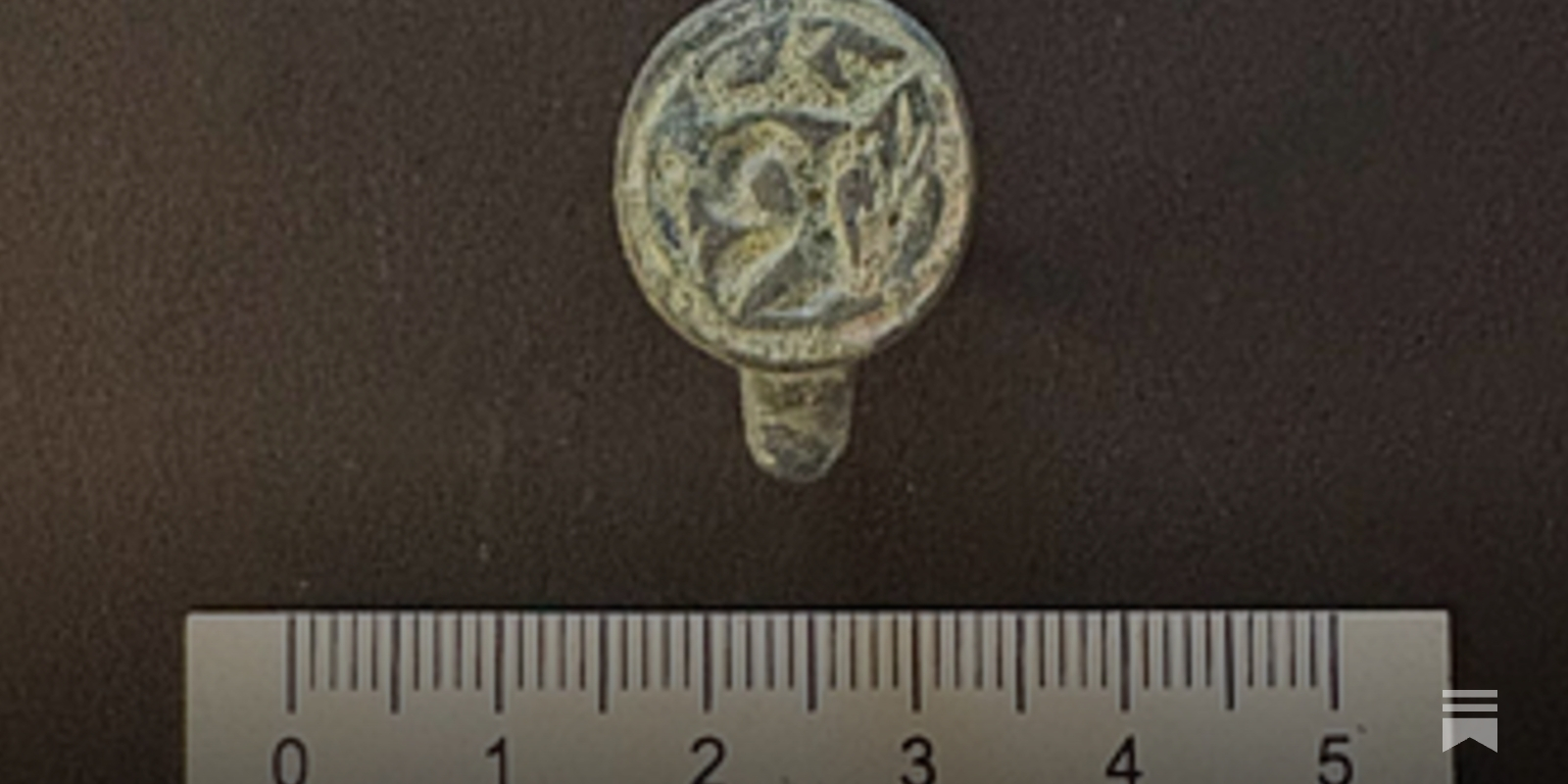
Archaeologists investigating Powick Old Bridge have uncovered a collection of historic artefacts dating back more than 500 years, offering a glimpse into the lives of people who used the crossing throughout its long history. The discoveries include a rare copper alloy signet ring, a musket shot believed to have been fired centuries ago and a Victorian coin. They were found during archaeological investigations linked to the restoration of the Grade I listed bridge, which has remained closed since a partial collapse in 2023. One of the most significant finds is a copper alloy signet ring dating from the late 15th or 16th century. Recovered from river silts immediately downstream of the bridge, the ring is believed to have belonged to a merchant. It carries an engraved reversed letter “R” and would have been used to create wax seals on letters and important documents. The discovery offers a tangible connection to the commercial activity and trading history of the area. Archaeologists also recovered a lead musket shot showing visible impact marks, suggesting it had been fired before being lost. The find is particularly interesting given Powick’s place in English Civil War history. The skirmish at Powick Bridge in 1642 is regarded as the opening clash of the conflict, while the nearby Battle of Worcester followed in 1651. However, archaeologists have not been able to establish whether the musket shot is directly connected to either historical event. A third discovery, a Queen Victoria halfpenny dated 1899, was found within the bridge’s downstream parapet wall. It is thought to have been incorporated during rebuilding work in the early 20th century, following the partial collapse and washout of an earlier stone wall. The discoveries add to the historical significance of a crossing that has served communities on either side of the River Teme for centuries. Councillor Tom Wells, Worcestershire County Council’s Cabinet Member with Responsibility for Highways and Transport, said: “These discoveries remind us that Powick Old Bridge is far more than a piece of infrastructure. It is a nationally important historic structure that has witnessed centuries of local and national history. “The archaeological investigations have uncovered remarkable artefacts that help tell the story of the people who crossed, worked and lived around the bridge over hundreds of years. It’s fascinating to think that items lost centuries ago are now being rediscovered as part of the bridge’s restoration.” The archaeological work forms part of a wider programme to restore the bridge permanently while protecting its historic character. Progress so far includes the recovery and storage of original bridge materials, installation of a Temporary Support Structure and the completion of foundation strengthening and piling works. The preferred permanent repair solution has also been selected and project funding secured. Work is currently focused on completing the archaeological investigations and preparing the site, alongside the detailed design process and a review by Historic England. Several key milestones are expected by the end of 2026, including completion of the detailed design, final approval from Historic England and submission of the remaining statutory consents. Subject to the necessary approvals, permanent restoration work is expected to begin in spring 2027. This will include rebuilding the damaged abutment and carrying out repairs to the bridge’s masonry arch. The restoration presents a complex engineering and conservation challenge for Worcestershire County Council. The bridge’s Grade I listed status, its position within the river environment and the sensitivity of the surrounding location mean that specialist engineering, extensive consultation and careful planning are required. Further information and updates on the restoration can be found on the Worcestershire County Council website . The Worcester Citizen is a community-first publication covering the people, places and issues that matter to Worcester. We believe local journalism should serve the community, hold decision-makers to account and give local people a voice.