Gucci reportedly cuts prices as turnaround pressure builds
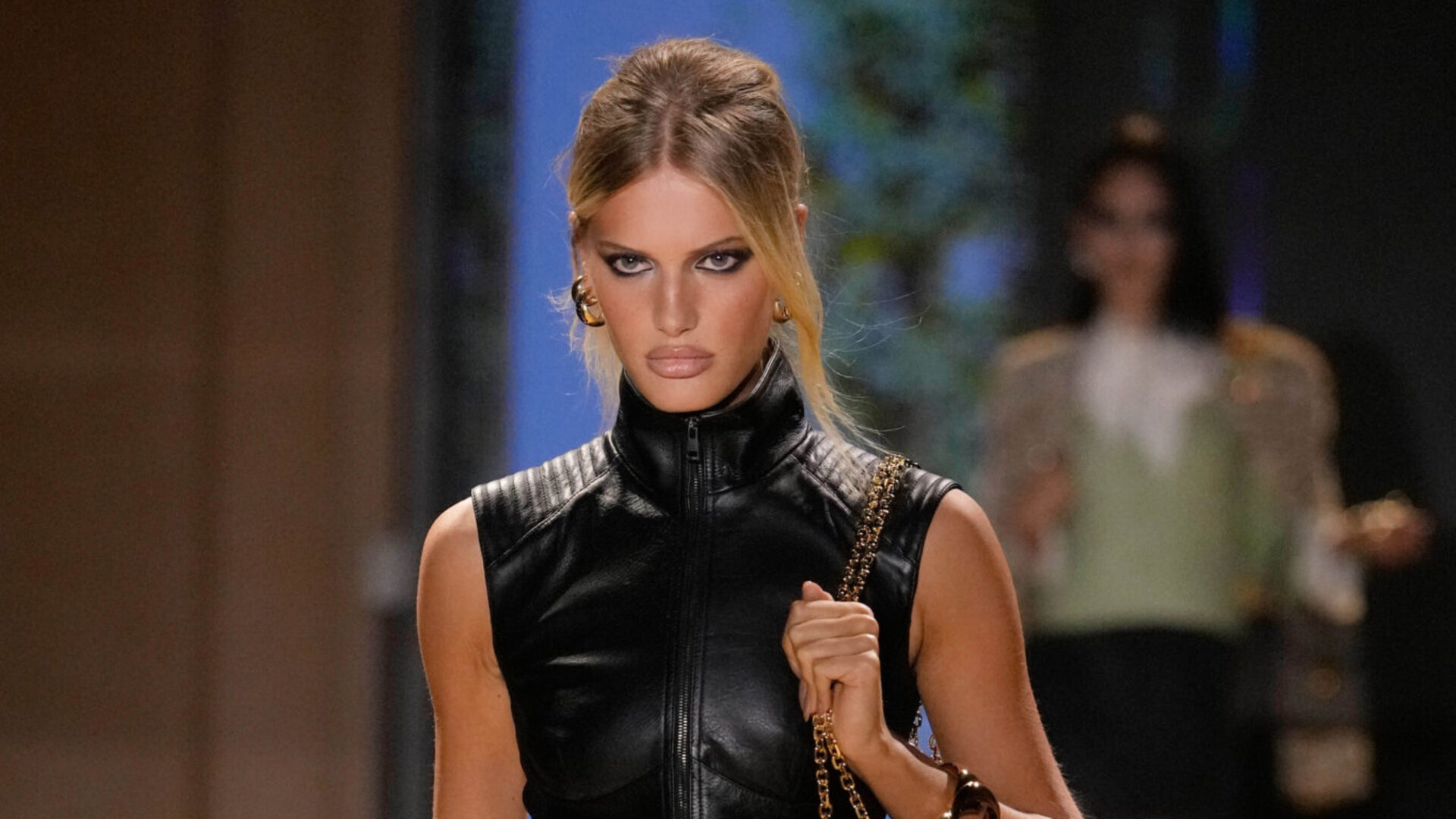
Catherine Rowe-Kosary 17 November 2026 Gucci has reportedly cut prices on selected handbags, footwear and ready-to-wear as the Kering-owned house attempts to revive demand. Its small crystal-embellished Padlock top-handle bag is now reportedly 30% cheaper in France. The bag cost €3,500 (£2,920) in France in July and now sells for €2,450 (£2,050). The price comparison was reportedly flagged by Bernstein luxury analyst Luca Solca. The new figure is reportedly a regular selling price on a bag that remains in the range, rather than an end-of-season markdown. Gucci reportedly made unannounced price adjustments over the summer, with changes spanning handbags, footwear and ready-to-wear. The Mercato tote is reported to be 20% to 25% cheaper, while several sneakers have reportedly moved from costing €800 (£670) to between €560 (£470) and €595 (£500). The house is also widening its entry-level offer with new products. Its US website reportedly carries 16 new handbag models within a $2,000 (£1,500) budget. Kering has reportedly described the cuts as targeted corrections for products it considered overpriced. This follows CEO Luca de Meo commenting that Gucci's new collections are launched at "competitive prices" during Kering’s first-half results call in July this year. The group's third-quarter presentation refers to "ongoing reshaping of product and price architecture, with targeted adjustments to improve perceived value, led by Handbags". Kering's wider turnaround plan for Gucci includes clearer creative direction, stronger leather goods, a more coherent and higher-quality product range, and streamlined distribution. The pricing changes come as Gucci's third-quarter revenue fell 4% as reported and 6% on a comparable basis to €1.291 billion (£1.08 billion). That followed a 2% decline in the second quarter and an 8% fall in the first. Sales through Gucci's directly operated stores fell 9% as traffic weakened, particularly in mainland China and Japan. Conversion, average selling price and average transaction value improved. Kering subsequently abandoned its goal of returning to growth in 2026, retaining only its target of improving recurring operating margin. It also raised its full-year target for net store closures across the group to at least 125, from 100. "The recovery of Gucci remains our defining priority," de Meo said alongside the results. Attracting aspirational shoppers back remains a challenge. According to Bernstein, these upper-middle-class consumers account for more than half of sales at Gucci and Louis Vuitton, but have cut back on luxury spending, including in China. Other brands have sought to reach these shoppers through new, lower-priced products rather than repricing existing goods. Burberry has reportedly introduced an entry-level handbag collection largely priced below £2,000, without reducing prices on existing products. Cutting the price of existing products carries risks for a luxury brand as it can weaken the sense of exclusivity and frustrate customers who bought the same item at higher price point previously. Louis Vuitton is reportedly also considering a repositioning of its prices, although it is reluctant to implement cuts on its existing products. Goldman Sachs estimates that the brand's third-quarter sales were down about 8%. LVMH Chief Financial Officer Cécile Cabanis has said that management considered possible drastic measures, including price reductions, but LVMH has not confirmed any price cuts so far.