Grizzly bears could thrive in California — so why aren’t we reintroducing them?
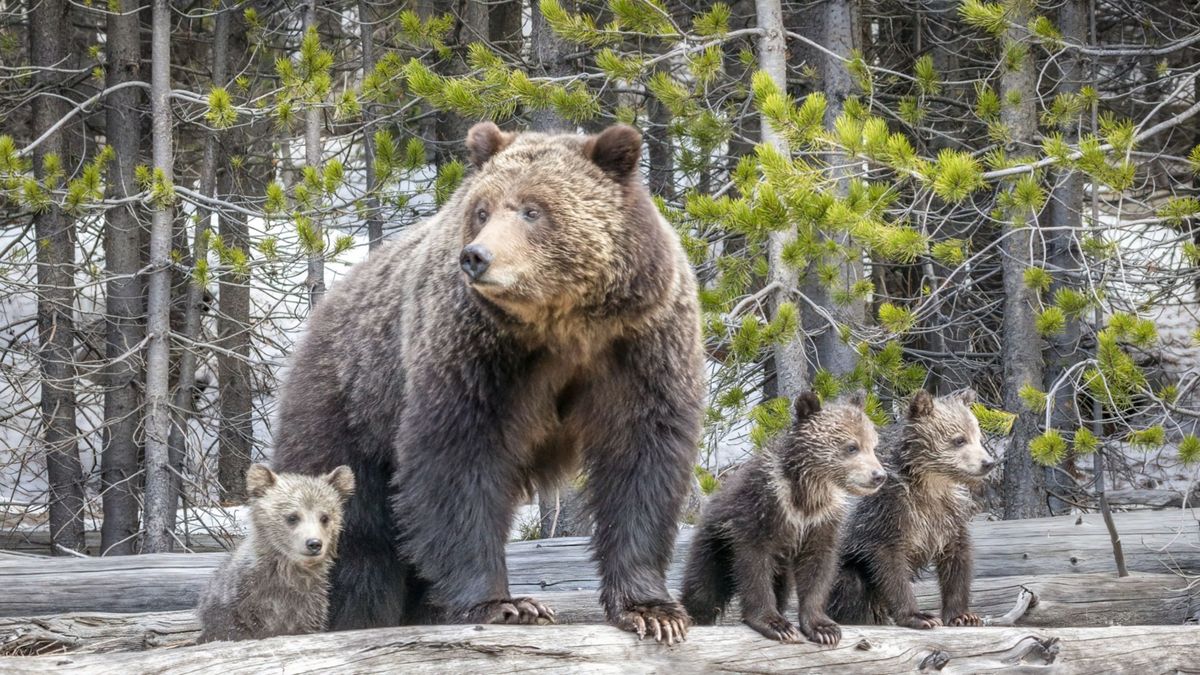
Grizzly bears went extinct in California in the 1920s following intensive hunting and habitat loss following the 19th century gold rush. (Image credit: Mark Perry/Getty Images) Computer models are widely used in ecological research and conservation, providing scientists with tools to predict how a given species might respond to a stressor or shift in conditions. These models can then be refined and built upon with real world data to get a better understanding of what's going on within a population and what the biggest risks are. But models aren't perfect. In this excerpt from " Start With a Bear: Humans, Grizzlies, and the Power of Stories on a Crowded Planet " (HarperOne, 2026), author Peter S. Alagona highlights how these models are built on the presumptions of their creators. Alagona examines the model of grizzly bear ( Ursus arctos horribilis ) habitats used by the Fish and Wildlife Service (FWS) to inform its recovery plan for the species — and why California, despite its apparent suitability, was left out. Peter S. Alagona is an environmental historian, conservation scientist, and nature-culture geographer. His work explores what happens when people share space and resources (their habitats) with other species: how we interact with non-human creatures, how we make sense of these interactions, why we fight so much about them, what we can learn from them, and how we might use these lessons to foster a more just, peaceful, humane, and sustainable society. He is a professor of environmental studies at the University of California, Santa Barbara. He is the author of "After the Grizzly" and "The Accidental Ecosystem."