GLP-1s and NAION: What Clinicians Should Know
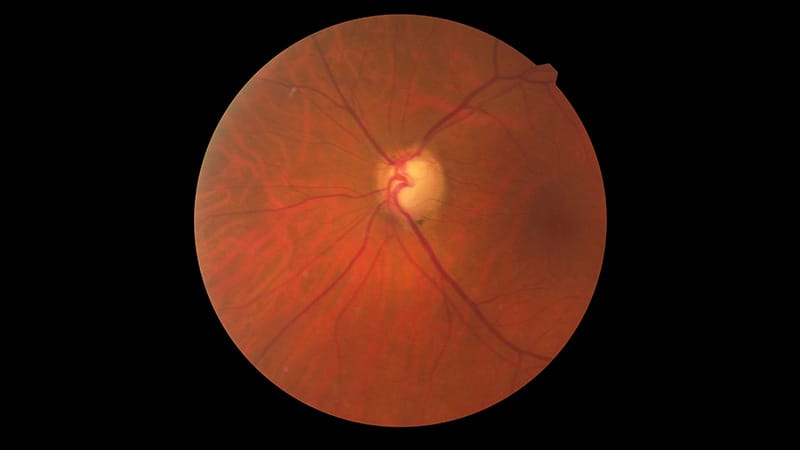
On November 9, the FDA announced that GLP-1 drug labels would be required to include information in the Warnings and Precautions section about the potential increased risk for nonarteritic anterior ischemic optic neuropathy (NAION), a rare condition that causes sudden, painless vision loss. The decision followed studies suggesting an association between GLP-1 drugs and NAION, although causality has not been established. In an analysis of 126 clinical trials, the FDA estimated 6.4 cases of NAION per 100,000 person-years among users of GLP-1 drugs compared with 3.8 cases among patients receiving placebo or other glucose-lowering medications. These figures represent an approximately 1.7-fold relative risk but an absolute difference of just 2.6 additional cases per 100,000 person-years. Andrew G. Lee, MD To discuss the implications for clinicians, Medscape Medical News spoke with Andrew G. Lee, MD, chair of the Blanton Eye Institute at Houston Methodist Hospital in Houston and professor of ophthalmology, neurology, and neurosurgery at Weill Cornell Medicine in New York City. This interview has been edited for length and clarity. Understanding NAION and the FDA Labeling Change What is NAION? NAION is the most common acute unilateral optic neuropathy in older adults. It presents as acute, unilateral painless vision loss, usually with an altitudinal visual field defect affecting the upper or lower half of the visual field. An eye care professional has to examine the back of the eye to determine whether the optic nerve is swollen. That’s the “anterior” part of NAION. What is your reaction to the FDA’s labeling change? It’s not surprising because the studies behind the labeling change have been known for the past couple of years. Although there have been many studies, the findings have been conflicting because of small sample sizes and retrospective designs. They show an association, but whether that association is causal has not been established. How should clinicians interpret the FDA’s estimated NAION rates of 6.4 vs 3.8 cases per 100,000 person-years? It’s a small increase, and we’d need much larger numbers to establish an actual increased risk. The relative risk might be higher, but because it’s an increase from a very small number, the absolute risk is low. Potential Mechanisms and Risk Factors What might explain the association? NAION is thought to involve a small cup to disc ratio (a ‘crowded’ optic disc) and reduced blood flow to the optic nerve. Could hypotension, volume depletion from GI effects, rapid weight loss, changes in sleep apnea, or a direct drug effect contribute? NAION is associated with vasculopathic risk factors, including hypertension , diabetes, and high cholesterol. It’s thought to result from hypoperfusion rather than a blood clot or embolus. It’s hard to imagine how a GLP-1 drug would cause this because it’s meant to improve vasculopathic risk factors. It causes weight loss and improves A1c in patients with diabetes. One proposed mechanism is local autoregulatory failure at the optic nerve head. In diabetes trials, we saw a similar phenomenon with worsening diabetic retinopathy , where tighter glucose control made diabetic retinopathy worse. Presumably, something similar could occur with GLP-1 treatment. Tighter control and autoregulatory failure at the optic nerve head could produce something that looks like ischemic optic neuropathy. But the mechanism has not been firmly established. Could the timing of NAION onset help distinguish between the possible mechanisms? That’s another question we don’t know the answer to. Studies have followed patients over long intervals, and the temporal relationship between starting treatment and developing NAION has been quite variable. It’s different from typical toxic optic neuropathies or retinopathies, where toxicity is often dose dependent. We haven’t seen a dose gradient in the reported NAION cases. It seems to be an idiosyncratic event. Studies have found higher rates of NAION among patients on GLP-1 drugs, but the risk doesn’t seem to be dose dependent. Which patients may be at the greatest risk for NAION? Unfortunately, the risk factors are often the same conditions that accompany those for which patients take a GLP-1 drug to begin with: obesity and particularly diabetes. Hypertension, hyperlipidemia, and obstructive sleep apnea are also traditional risk factors for NAION. It’s hard to separate the effects of the GLP-1 drug from those of the underlying disease it’s being prescribed for. That’s why studies using active comparators are important. Comparing patients receiving different drugs for the same condition helps address this, and I think that’s one of the reasons the FDA elected to change the label. Most evidence comes from patients with type 2 diabetes, but the label also covers GLP-1 drugs used for obesity. Would you expect the risk to differ in patients taking GLP-1 medications solely for obesity who may have less baseline vascular disease? The presence of these other confounding variables makes it hard to determine which is the real risk factor. Is it the underlying disease or the treatment? There is a difference between patients with obesity and diabetes and those taking the GLP-1 drugs solely for weight loss. The case for a drug-related association would be stronger in a patient taking it only for weight loss who has none of the other vasculopathic risk factors. However, many patients with obesity also have those risk factors. Weighing Risks and Benefits How should clinicians weigh the potential risk for NAION against the established cardiovascular, kidney, and metabolic benefits of GLP-1 treatment? The FDA labeling explains much of what we should be doing. Clinicians need to know that the association exists. They need to be prepared to serve as a vetted and curated source of reliable information so that patients don’t go to the internet or AI chatbots to get an answer. Prescribing physicians should tell patients about the risk and advise them to see an eye care professional if they experience vision loss. They should also know whether the patient has previously had NAION. If a patient reports vision loss, they need an eye examination to determine whether it’s NAION or another condition, such as retinal detachment or retinal vascular occlusion. As mentioned, NAION has characteristic findings, including a relative afferent pupillary defect, an often-altitudinal visual field defect, and a swollen optic nerve. The fellow eye may also have a small cup to disc ratio. Once NAION is diagnosed, clinicians should be prepared to discuss whether to continue or discontinue the GLP-1. That decision should be made jointly by the patient, eye doctor, and prescribing physician. There are clear benefits for cardiovascular health, weight loss, and A1c from these medications. Those benefits must be weighed against the small increase in the risk for NAION. One size does not fit all. It has to be an individualized, case-by-case decision. How does that assessment change for patients who have already experienced NAION in one eye? The baseline risk for NAION in the fellow eye is about 15% within 3-5 years after the first event. These patients need a different conversation because they have already experienced vision loss in one eye. Whatever risk factors contributed to the first event will presumably contribute to the risk in the second eye. I think the discussion leans more toward discontinuing the medication in patients who’ve had NAION in one eye or have worsening risk factors. If those risk factors aren’t present, the risk-benefit ratio may favor continuing treatment. But, again, that decision must be individualized. Should clinicians take specific precautions before prescribing GLP-1 medications in light of the label change? In addition to patients needing to be informed about the potential risk and prescribers asking patients whether they’ve had NAION before, ophthalmologists should also ask patients who develop NAION whether they’re taking these medications because patients might not volunteer that information. It’s a two-way street. Clinicians need to ask, and patients need to know what to report. There’s no prescreening protocol that can determine who’s going to develop NAION. Although a small cup to disc ratio is a risk factor, it’s not enough to determine whether someone should take the medication. Lee reported consulting for the National Aeronautics and Space Administration, National Football League, US Department of Justice, Amgen, AstraZeneca, argenx, Bristol Myers Squibb, Alexion, Celgene, Stoke, Ethyreal Bio, Catalyst, Dompé, Viatris, and Viridian. He reported serving on the editorial boards of Frontiers in Ophthalmology (editor in chief), Eye , Journal of Neuro-Ophthalmology , Canadian Journal of Ophthalmology , Japanese Journalof Ophthalmology , Survey of Ophthalmology , and JAMA Ophthalmology . He was the founding editor in chief of the Journal of Academic Ophthalmology and has served as an expert witness for plaintiffs and defendants. He reported holding faculty appointments at Weill Cornell Medicine, Baylor College of Medicine, the University of Texas Medical Branch at Galveston, the University of Iowa Hospitals & Clinics, the University at Buffalo, Sam Houston State University Russell and Glenda Gordy College of Osteopathic Medicine, and Texas A&M University Naresh K. Vashisht College of Medicine. Lee also reported producing videos for AyeWonder, which operates the YouTube channel Neuro-Ophthalmology with Dr. Andrew G. Lee. His daughter, Virginia Lee, is AyeWonder’s president and CEO. John Watson is a freelance writer in Philadelphia.