Flu season off to an early start in Philadelphia region with more cases and more severe symptoms
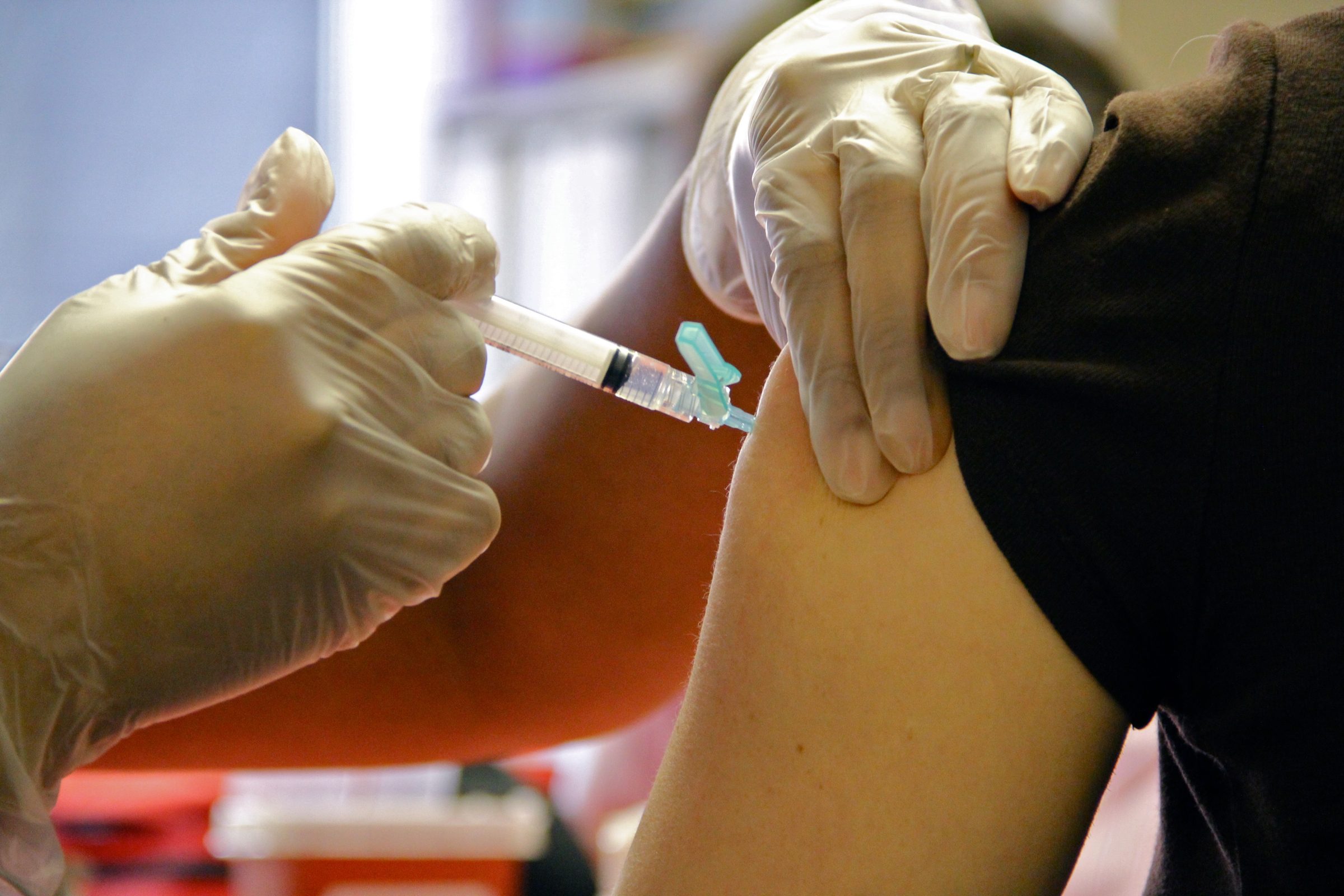
From Philly and the Pa. suburbs to South Jersey and Delaware, what would you like WHYY News to cover? Let us know! The flu season is off to an unusually early start in the region and around the country. Local health systems report seeing more patients coming in with flu symptoms and getting sicker than expected this time of year. They caution that the early start does not predict how the rest of the season will play out, but encourage people to prepare by getting a flu vaccine. Philadelphia and the surrounding counties all have high levels of flu activity, according to the Pennsylvania Department of Health dashboard. WHYY thanks our sponsors — become a WHYY sponsor “Folks are becoming sicker sooner, and the rates are rising in the community much faster and sooner,” said Noora Siddiqui , a family medicine doctor at Jefferson Health and acting medical director at Jefferson Family Medicine Associates in Philadelphia. She pointed out that the Centers for Disease Control and Prevention tracks the rate at which people are sent to the hospital because of problems related to the flu, and the number for one week in October was the highest the CDC had recorded since 2010. She said the number of hospitalizations is still low, but they are rising earlier than usual. She recalled seeing a pregnant patient who had such extreme symptoms that doctors were worried it could be a blood clot in the lungs. They ordered a CT scan , which exposed the patient to radiation, which doctors usually try to avoid during pregnancy. It turned out to be only a severe case of flu, and the patient is doing better now. Siddiqui said she has seen the worst situations with people who are in high-risk populations, such as young children and the elderly, and have not yet been vaccinated. H1N1, previously known as swine flu, returns, but with a mutation Another notable part of this year’s flu season is that the dominant strain of flu virus may be able to evade some of the body’s defenses, said Scott Hensley , a virologist at the University of Pennsylvania who specializes in flu vaccine and is director of the Penn Center of Excellence for Influenza Research and Response. He said this year’s dominant strain, H1N1, was also circulating during the 2009 “swine flu” pandemic . Usually, people who were children at the time would have developed a strong antibody response to this virus due to a phenomenon called immune imprinting , where the immune system remembers the first kind of flu virus it was exposed to and develops better protection against it. However, this year’s H1N1 virus strain has a mutation that makes it harder for the body to recognize and respond. “In other words, teenagers and people in their 20s might be just as susceptible to H1N1 as the rest of us heading into this flu season. And that’s an important distinction ... that sort of advantage has gone away because the virus has acquired a mutation,” he said. WHYY thanks our sponsors — become a WHYY sponsor After 20 years of studying flu, he said it is “an amazing state of research” that in November, scientists already have a good idea about what kind of flu viruses may circulate in the coming months, and how the body can target these viruses. He said the next big goal would be for scientists to be able to predict how flu viruses will mutate six months to a year ahead of flu season, so they can design even better vaccines. In terms of vaccinations, people also have new options available this flu season. For the first time, people aged 50 or older can get a new kind of flu vaccine, which uses the same technology as the COVID-19 vaccines . The new kind of vaccine is more protective and will be “the way we go in the future,” said Carlene Muto , an infectious disease doctor and vice president of infection prevention at Temple Health. She said patients should get that vaccine if they have the option to. WHYY is your source for fact-based, in-depth journalism and information. As a nonprofit organization, we rely on financial support from readers like you. Please give today.