Britain's Neet crisis: The A* student who can't get a job
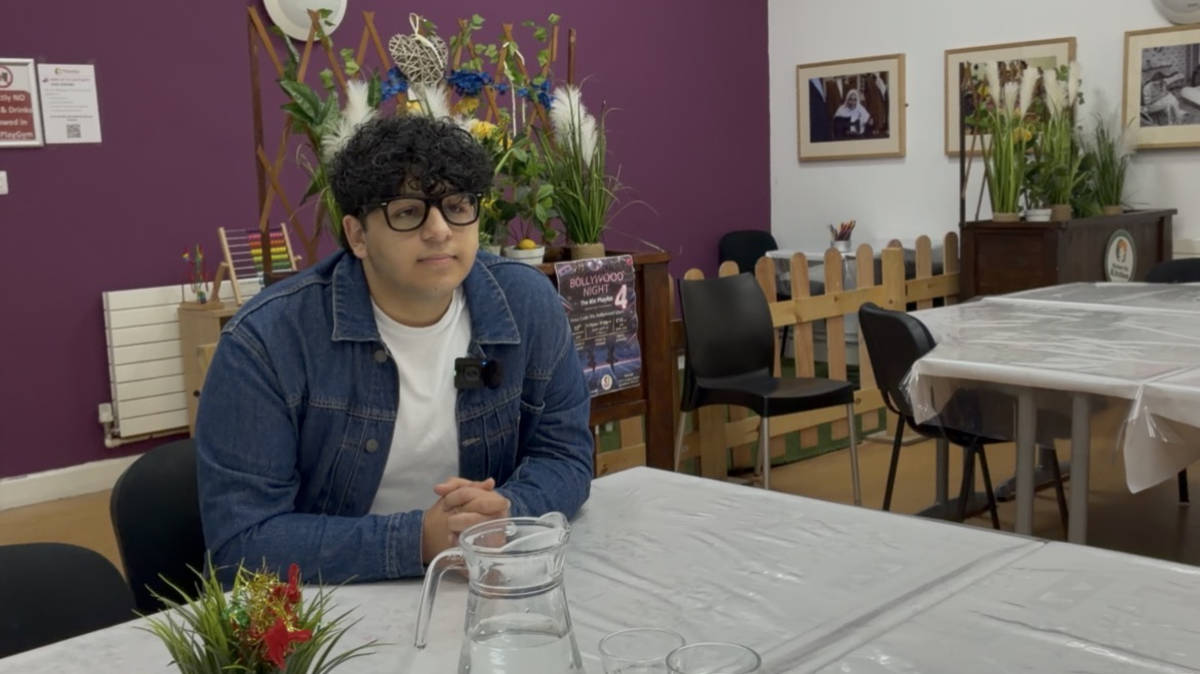
17 Nov 2026, 13:02 | Updated: 9m ago Sulayman, 18 achieved A*/A grades in his A-levels and yet finds himself on the end of rejection after rejection. Picture: LBC By Alex Taylor-Brown and Freddie Hall Sulayman, 18, left school in Bradford in the summer with “optimism” and the hope that a job was just around the corner. Loading audio... He achieved A*/A grades in his A-levels and yet finds himself on the end of rejection after rejection as he applies for retail work and solicitor degree apprenticeships. Since the summer, he’s sent off “more than 200” job applications, hearing back from fewer than 10. He’s told LBC about the impact that rejection has had on his mental health. “You'll be sat at home...and you'll read the email and it's just the same blunt email that they (employers) always send now, and you sit in a pit of self-doubt for a few minutes. “I go back on the job market (but)...there's youth who will take it as I'm just going to quit now.” Sulayman is one of nearly one million 16-24 year-olds not in employment, education or training (Neets) in the UK. The growing Neets crisis will be addressed in the long awaited independent report by former Labour minister Alan Milburn. Sulayman says one of the key barriers to getting a job is employers asking for previous experience, creating a Catch-22 scenario. “There's a lot of entry-level jobs on the market, but ones that often require experience, and that's where I do struggle. It's employers wanting agility and ability, whereas I'm more well-versed in academia.” He says his school was too geared towards university and academia rather than employment, an area he believes the government need to address to make young people more ‘work ready’. Down the M1 in South Yorkshire, 1 in 5 young people are considered a Neet. Rotherham has been described as the ‘UK’s Neet capital’, with the town having the fewest suitable entry-level jobs for young people in Britain. Read more: Milburn review calls for youth unemployment to be cut to ‘NEET Zero’ in a decade Frankie Parker told LBC that Rotherham has become a ‘desert’ for entry-level jobs. Picture: LBC Frankie Parker works as children and young person team lead at Rotherham and Barnsley Mind (mental health charity). She told LBC about why Rotherham has become a ‘desert’ for entry-level jobs. "I think it's just about opportunities, it's about what's out there...people don't always realise how young people struggle getting on a bus...a lot of the shops (in Rotherham) have disappeared so it's about opportunities. “There's no newspaper shops anymore...now it's you either apply online and people don't get back to you, or you get an automatic response that if you're successful you'll hear from us, if not you won't. So just the landscape of how to get a job has changed massively.” She says the waiting list for Mind’s services has exploded in recent years, especially since the pandemic. “Our private waiting list doesn't go down and it only increases no matter how much staff we put into it....the increase around kids suffering with mental health is massive and the issues that they're dealing with are so much more complex. “It'll be anxiety and then it'll be a relationship or family or their own identity mixed in with doing GCSEs and thinking about the future. It's a whole platter of issues.” It has been suggested that the review could suggest cutting sickness and disability benefits for under 25s as a way of urging them towards the world of work. Oliver Coppard is the Labour Mayor of South Yorkshire, who has focused on NEETs in his role. In his time as Mayor, he’s pushed for more local skills devolution and his Youth Impact Fund has sought to remove some financial barriers to opportunities for young people. He’s warned against any “punitive” changes to welfare. “All too often when you get into that system, you can’t get out of it because you do one bit of work more than you’re allowed and suddenly you get your benefits taken away and that can’t be right for anybody.” He explained. “But you can’t build an economy when one in five people is not in work, when they’re relying on the state to support them. “I don’t believe that anybody wants to be in that position where they can’t work because of poor health outcomes, I don’t believe anybody wants to sit at home and do that.”