Australia develops artificial cornea to help millions with impaired vision
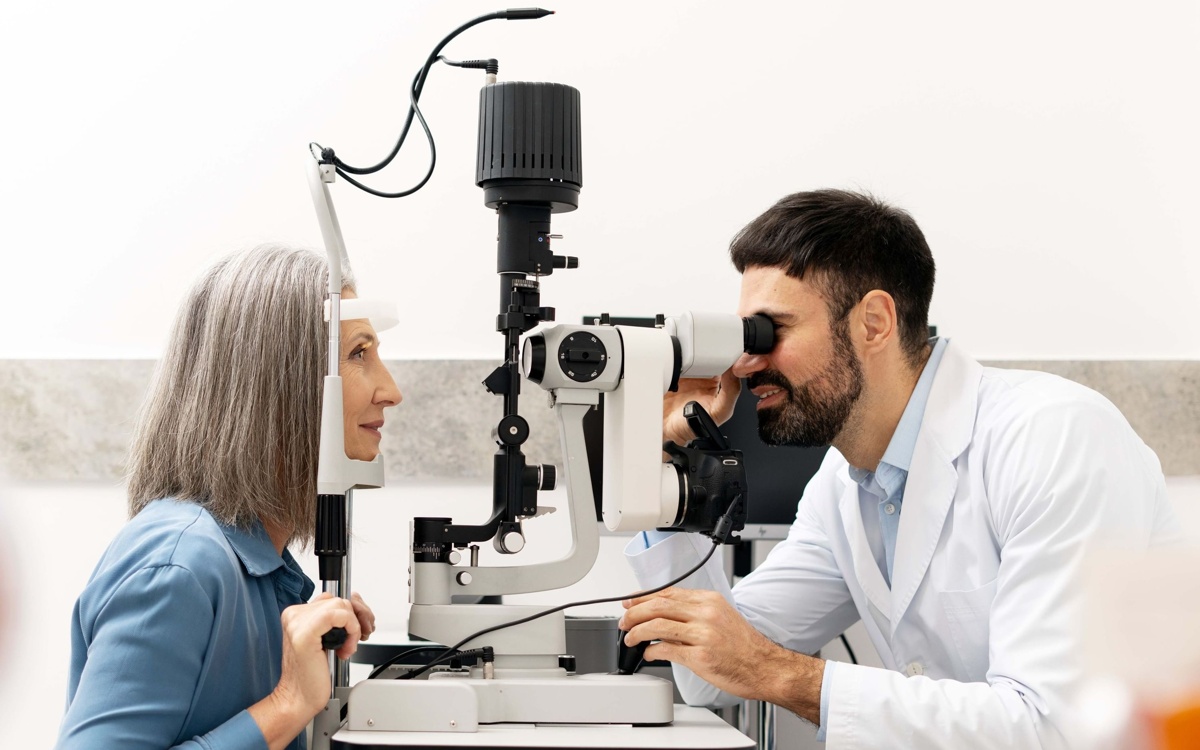
The initiative, known as BIENCO, brings together materials scientists, ophthalmologists, engineers and other specialists from leading Australian universities and research institutions. The project aims to create a fully bioengineered cornea capable of replicating the structure and function of natural tissue. More than 23 million people globally suffer vision impairment caused by corneal injury, infection or disease. For many patients, corneal transplantation remains the only effective treatment, yet the availability of donor tissue continues to fall short of demand. According to the research team, significant progress has been made in reproducing the cornea’s complex three-dimensional structure while achieving the stability, transparency and strength required for transplantation. Researchers are now exploring ways to scale up production beyond the prototype stage, a step that could accelerate the development of bioengineered medical products ranging from corneas to bone and skin tissue. As written before, rates of cutaneous squamous cell carcinoma (SCC), one of the most common forms of skin cancer, have increased steadily across generations in Australia and Europe, with the rise generally more pronounced among women than men, according to a new study led by Australia's QIMR Berghofer Medical Research Institute.