Asia Version of IEA to Be Created, Rules Set for Joint Oil Stockpile Releases — AZEC Summit Adopts Joint Statement
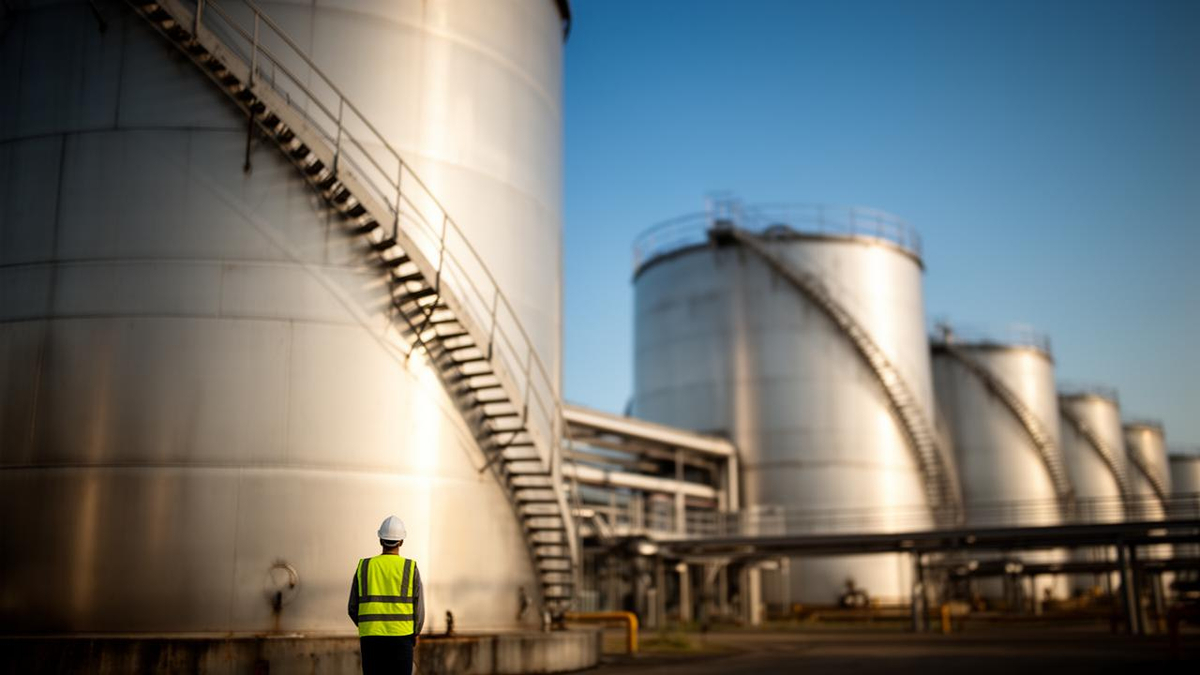
The summit meeting of the Asia Zero Emission Community (AZEC), a decarbonization cooperation framework involving Japan and Southeast Asian nations, was held on the 17th in Manila, Philippines, adopting a joint statement that includes the creation of an "Asian version of the International Energy Agency (IEA)" to coordinate on joint oil stockpiling and emergency releases and sharing. The initiative was proposed at the meeting by Prime Minister Sanae Takaichi, establishing a regional cooperation framework aimed at strengthening economic resilience, including energy supply. The new organization's official name is the "Asia Oil Security Task Force." The secretariat will be handled by the Economic Research Institute for ASEAN and East Asia (ERIA), which will advance the sharing of information on oil stockpile levels and the formulation of rules on releases and mutual sharing during crises. Japan envisions introducing a "ticket system" in which it utilizes idle tanks at domestic refineries and participating countries pay usage fees to draw down oil in emergencies. The advantage for participating countries is that it reduces the cost and time associated with building new tanks. The meeting was held in conjunction with the ASEAN-related summit meetings taking place locally. The joint statement also specified the promotion of "AZEC 2.0," which aims to strengthen economies through decarbonization and enhanced energy security, and the creation of a new concept called "Bridge Asia" to promote joint development in advanced fields such as artificial intelligence (AI) and quantum technology. Prime Minister Takaichi said at the meeting that "balancing climate change measures and economic growth is entirely possible," calling on participating countries to strengthen cooperation. Thin Stockpile Levels in the Background Behind the Asian version of the IEA concept lies the fragility of Southeast Asia's oil stockpiling system. According to ERIA research, the oil inventory held by Southeast Asia amounts to only about 30 days of consumption, far below the 90-day level that the IEA mandates for member countries. It is estimated that building up an additional 60 days of stockpiles across the 11 ASEAN countries would cost about $2.2 billion (roughly ¥350 billion) annually, and it is not easy for each country to bear this burden alone. The IEA was established in 1974 after the first oil crisis and has imposed a 90-day stockpiling requirement on member countries. Amid the deterioration of the Middle East situation, member countries including Japan, the United States, and Europe have since March this year embarked on the largest coordinated release in history, but Southeast Asian nations are not members and were directly exposed to supply chain disruptions. Having experienced delays in crude oil procurement due to the de facto closure of the Strait of Hormuz, momentum had been growing to consider joint stockpiling within the region. Japan has already concluded joint stockpiling agreements with Saudi Arabia, the United Arab Emirates (UAE), and Kuwait, securing the right to preferentially procure oil in emergencies in exchange for providing storage facilities in Japan to oil-producing countries. The new framework also aims to expand this kind of cooperation between oil-producing and consuming countries across Asia. According to a senior Philippine government official, Singapore, Indonesia, and Malaysia have agreed to participate in the plan, and the UAE has also shown interest. Strengthening the Entire Supply Chain Is the Challenge Securing sufficient oil stockpile quantities alone cannot prevent supply chain disruptions. Japan had ample stockpiles of about 250 days of consumption before the U.S.-Israeli attack on Iran in February this year, but the stagnation of supplies of petroleum products such as naphtha from Southeast Asia disrupted the production of printing inks and surgical gloves. The lesson that the size of stockpiles and the strength of the downstream supply chain are different things has led to calls for strengthening the supply-demand structure on a region-wide basis. Philippine President Ferdinand Marcos Jr. explained at the meeting that his country is proceeding with the development of a strategic petroleum reserve, and expressed the view that cooperation between oil-producing and consuming countries is essential for sustainable energy security. Item Details New organization name Asia Oil Security Task Force Secretariat Economic Research Institute for ASEAN and East Asia (ERIA) Main roles Sharing of stockpile status, formulation of rules for emergency releases and sharing Japan's contribution Provision of idle refinery tanks, introduction of ticket system Southeast Asia's stockpile level About 30 days of consumption (IEA standard is 90 days) Cost of additional stockpiling About $2.2 billion annually (roughly ¥350 billion, for an additional 60 days) Note: Stockpile levels and costs are based on ERIA research. Impact on Markets and Industry The launch of the Asian version of the IEA could lead to a reduction in the region's energy procurement costs and price volatility risk. If rules for emergency sharing are put in place, countries will be able to mutually supplement their stockpiles during supply disruptions, which is expected to have the effect of curbing sharp price spikes caused by concentrated buy orders in the spot market. For Japanese companies, there is the advantage of greater stability in raw material procurement for manufacturers with production bases in Southeast Asia. On the other hand, the provision of idle tanks and the sharing of stockpile data will affect the facility operation and inventory management practices of Japan's domestic oil refining and distribution operators. Depending on how the task force designs its rules, there is a possibility that changes could extend to the operation of Japan's stockpiling obligations and the burden on private operators, and the detailed institutional design going forward will be the focus. The IEA has already been supporting the Japanese government's efforts to build a regional cooperation framework and plans to establish a new office in Tokyo. In Asia, only Japan and South Korea are IEA member countries, and the development of stockpiling and release systems within the region is likely to affect Asia's price negotiating power regarding the stable supply of oil. Once added, BigGo Finance appears first in Google Search Top Stories, so you get the broadest, most up-to-the-minute, and most comprehensive global financial news first. Add preferred source