Andy Burnham has said what no other PM dared about Brexit
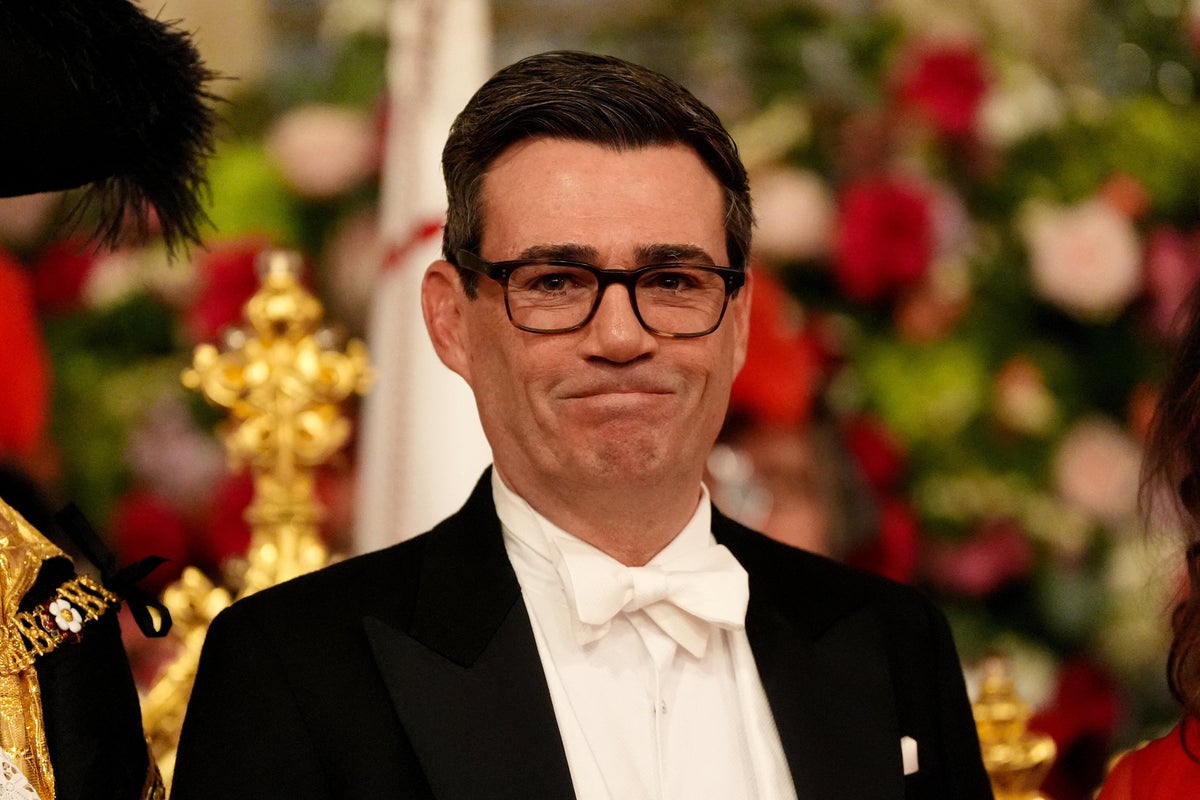
T here was something rather delicious about Andy Burnham's decision to invoke the Emperor's New Clothes in his Brexit speech ahead of Friday’s EU summit. He accused Brexit of failing to deliver on its promises, piling unnecessary barriers on businesses and damaging Britain's economic prospects . Such an outbreak of plain speaking is, of course, a rare enough occurrence in Westminster, where pointing out the bleeding obvious is generally considered a rather dangerous political pursuit. With fortuitous timing, Boris Johnson , the man who sold us the imaginary wardrobe in the first place, has found time between trousering some £5 million on the international speaking circuit to tell the Telegraph that Britain would back Brexit again if Burnham forced another vote on the issue. There is something almost touching about Johnson’s determination to keep Brexit alive in the public imagination. Quite what he thinks it has delivered to make anyone hungry for a second helping is anyone’s guess. I suppose there was the Brexit 50p coin, released to commemorate the UK's departure from the EU, bearing the stirringly ambitious inscription “Peace, prosperity and friendship with all nations”. A little over six years on, its purchasing power has dwindled to a meagre 39p in today's money. And who could forget the blue passports? A glorious return to Britain's sovereign past, triumphantly restored as a symbol of British sovereignty, despite granting their holders precisely the same travel rights as the burgundy ones they replaced. The problem for the former prime minister is that listening to the public has never been his most conspicuous political virtue. Partygate exposed the gulf between his professed respect for the will of the people and his determination to put his own wishes first. By July 2022, 69 per cent wanted him out of Downing Street, including a majority of those who had voted Conservative in 2019. Yet he clung on until his own Cabinet forced his hand. For a man so fond of invoking the people's will, he has always been remarkably reluctant to listen to it. Public opinion has moved on rather dramatically since the 2016 EU referendum. A poll by Ipsos in October found that 56 per cent of Britons would vote to apply to rejoin the EU, against just 30 per cent who would vote to stay out. Meanwhile, YouGov found that 73 per cent favour a closer relationship with Europe, even without full membership of the EU. The message is hardly ambiguous. The public may not agree on precisely what should replace Brexit, but there is precious little appetite for doubling down on it. When voters went to the polls in 2016, few could have imagined a hot war on Europe's doorstep, an energy crisis or renewed fears over food security. Yet the world has changed, and the arguments for closer ties with our European neighbours have become rather hard to ignore. An Ipsos poll last month found that half of Britons now want the UK to prioritise a closer defence relationship with the EU, while even 53 per cent of those who voted Leave support closer European security cooperation. Addressing the annual Lord Mayor's Banquet at London’s Guildhall, Andy Burnham said the UK had lost more than it gained from Brexit (Jonathan Brady/Pool via REUTERS) (Reuters) And all of that is the backdrop to Burnham's meeting with European leaders at a summit this week, where he hopes to secure deals on food and farming, emissions trading and youth mobility, which he says could boost GDP by 0.4 per cent (or £17bn). Burnham's intervention matters because it challenges the great pretence at the heart of Brexit: that admitting the project has failed is somehow an act of national disloyalty. The emperor's clothes were always imaginary. The tragedy is that the rest of us have spent a decade paying for them. And now their original salesman wants us to buy another set. This is no longer simply an argument about the rights and wrongs of a referendum held a decade ago, it is about whether Britain is equipped to deal with the world as it is now. Burnham, at least, seems to understand that. Johnson, meanwhile, is still trying to flog us the same old wardrobe.